When to Switch to Polyester (PET) Strapping: Expert Tips
Many operations run steel or polypropylene strapping year after year without questioning whether it still makes sense. Meanwhile, injury logs


Many operations run steel or polypropylene strapping year after year without questioning whether it still makes sense. Meanwhile, injury logs
Introduction Steel strapping dominated heavy-duty logistics for decades because nothing else could handle the loads—until operators started counting the hidden
Introduction Traditional steel strapping causes workplace injuries from sharp edges and violent recoil while adding unnecessary weight that increases freight

Introduction Most packaging failures don’t come from weak strapping—they come from wrong strapping. PP stretches and loosens on heavy loads.

Most packing teams treat strapping tools as generic hardware: buy the cheapest tensioner and sealer, hand them to operators, and
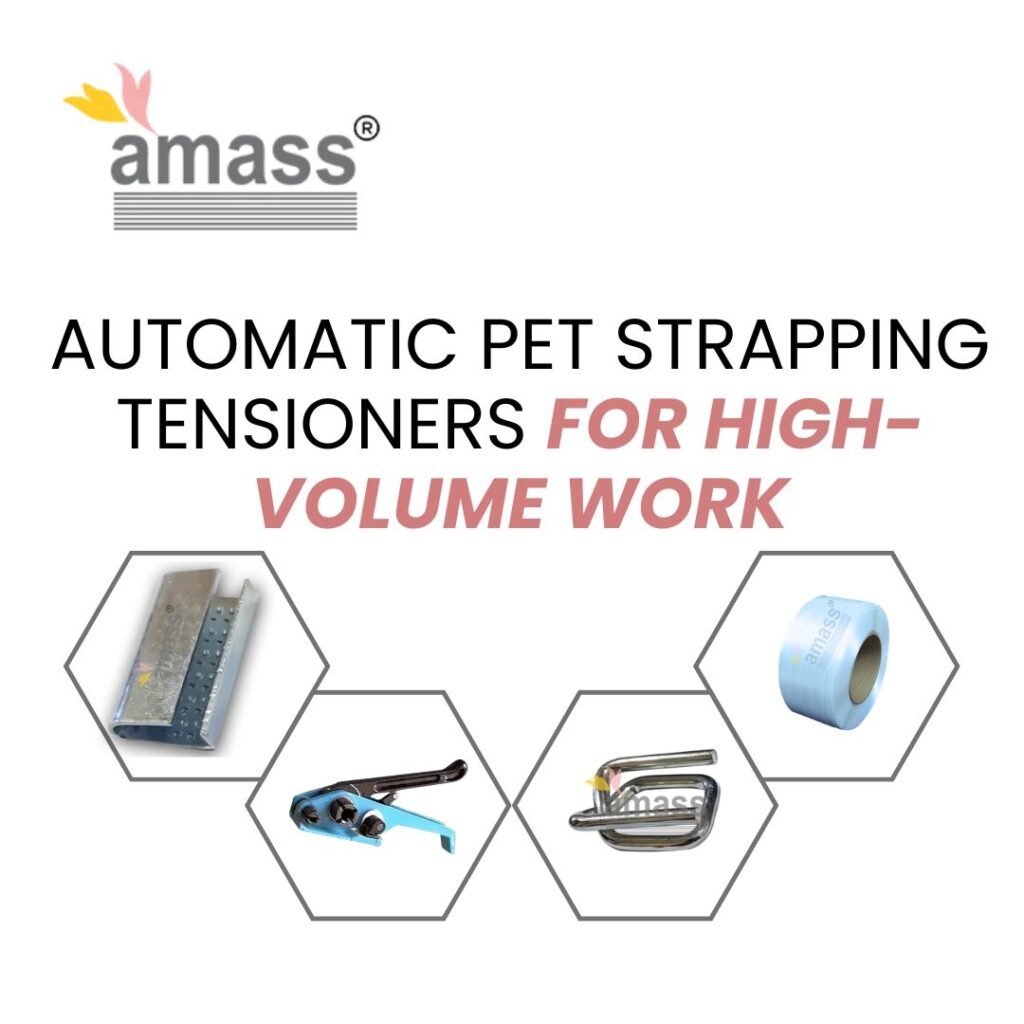
Introduction Manual strapping kills productivity in high-volume operations. Operators spend 15-25 seconds per strap with hand tensioners, their wrists ache
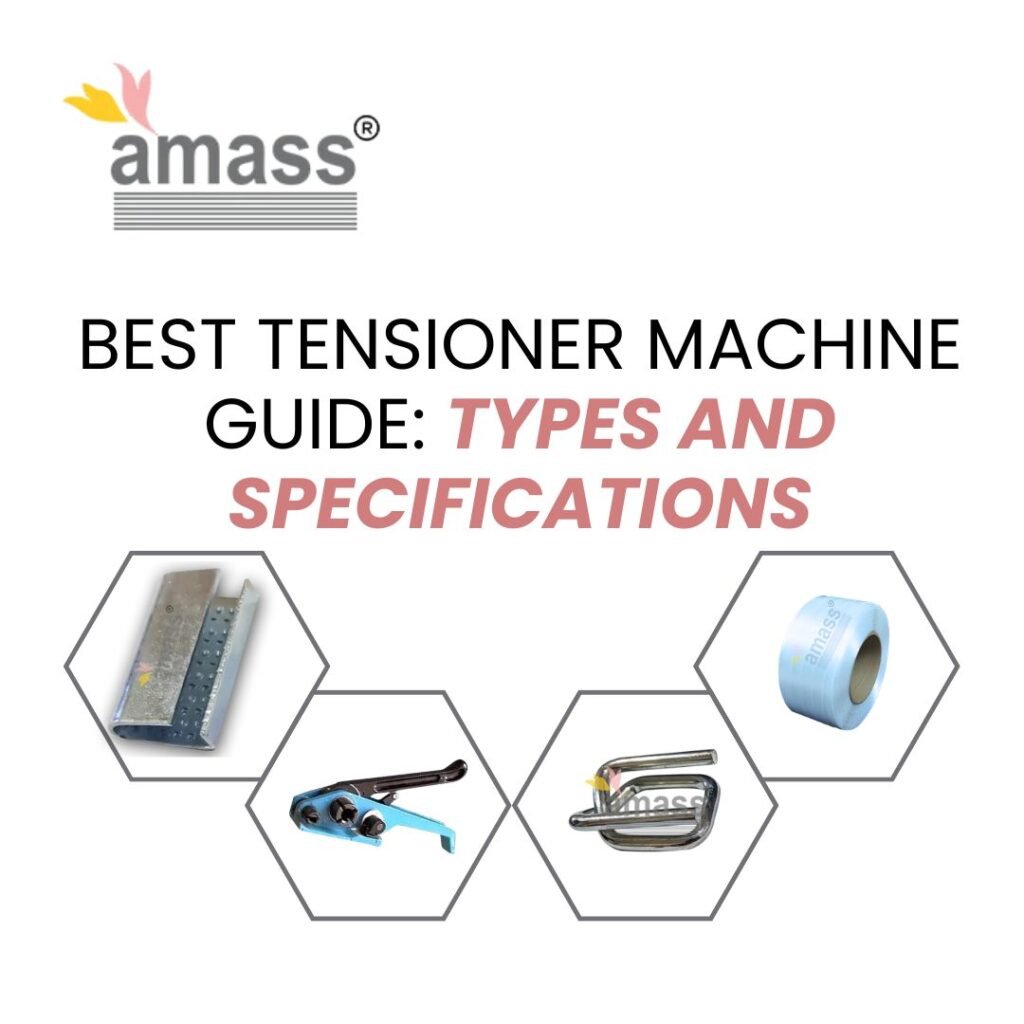
Introduction Packaging operations waste labor and compromise cargo security when using tensioners mismatched to strap specifications or application volumes. Under-powered
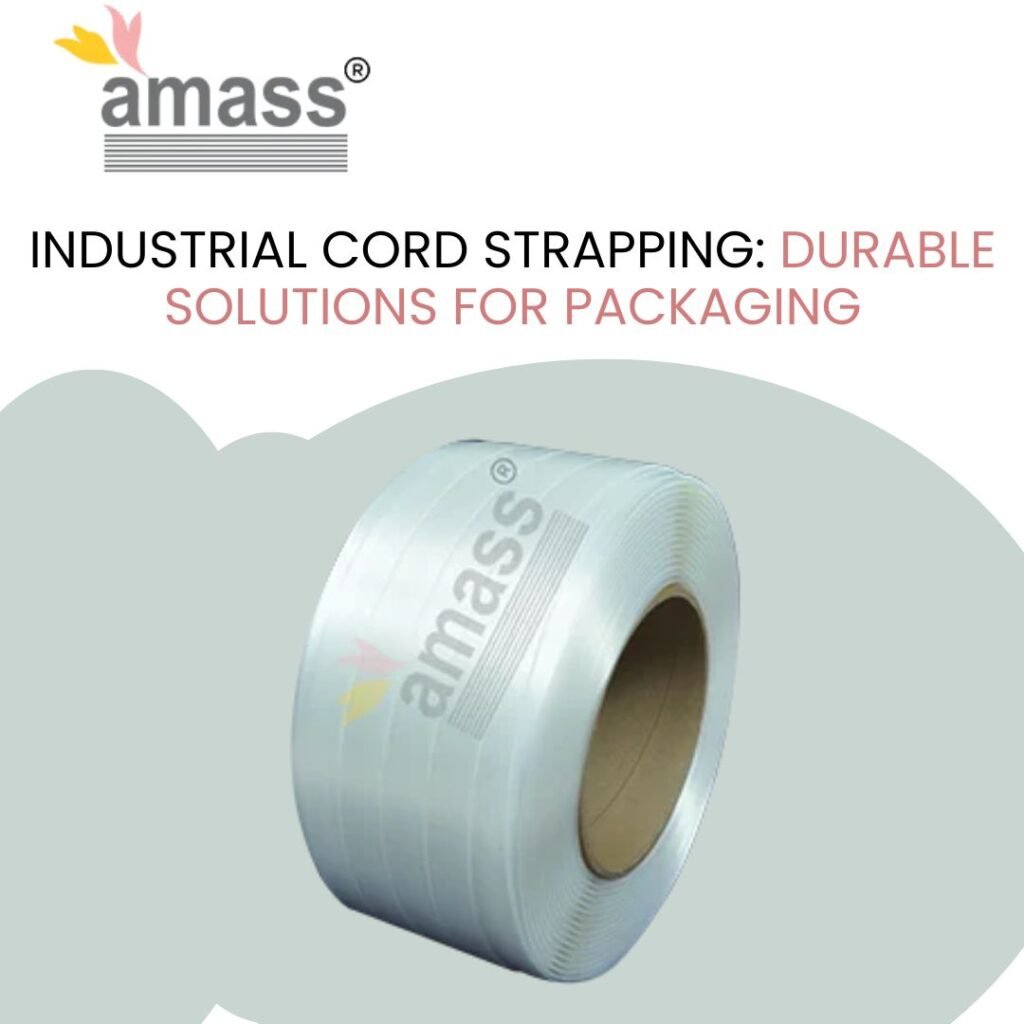
Introduction Steel strapping cuts hands, rusts cargo, and snaps back dangerously when cut. Light plastic strapping stretches, loosens during transit,
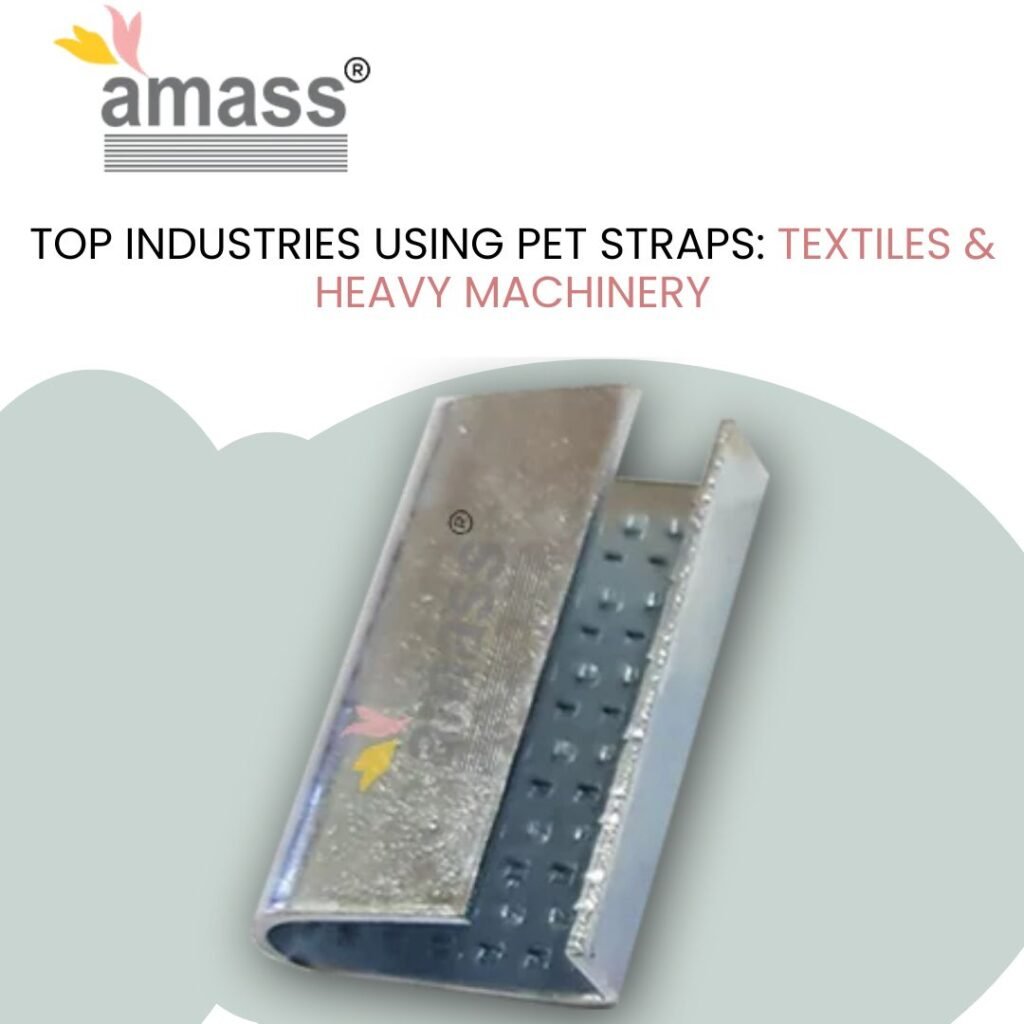
Introduction Across industrial packaging, PET strapping is often treated as a generic consumable. Buyers focus on width, thickness, and price,
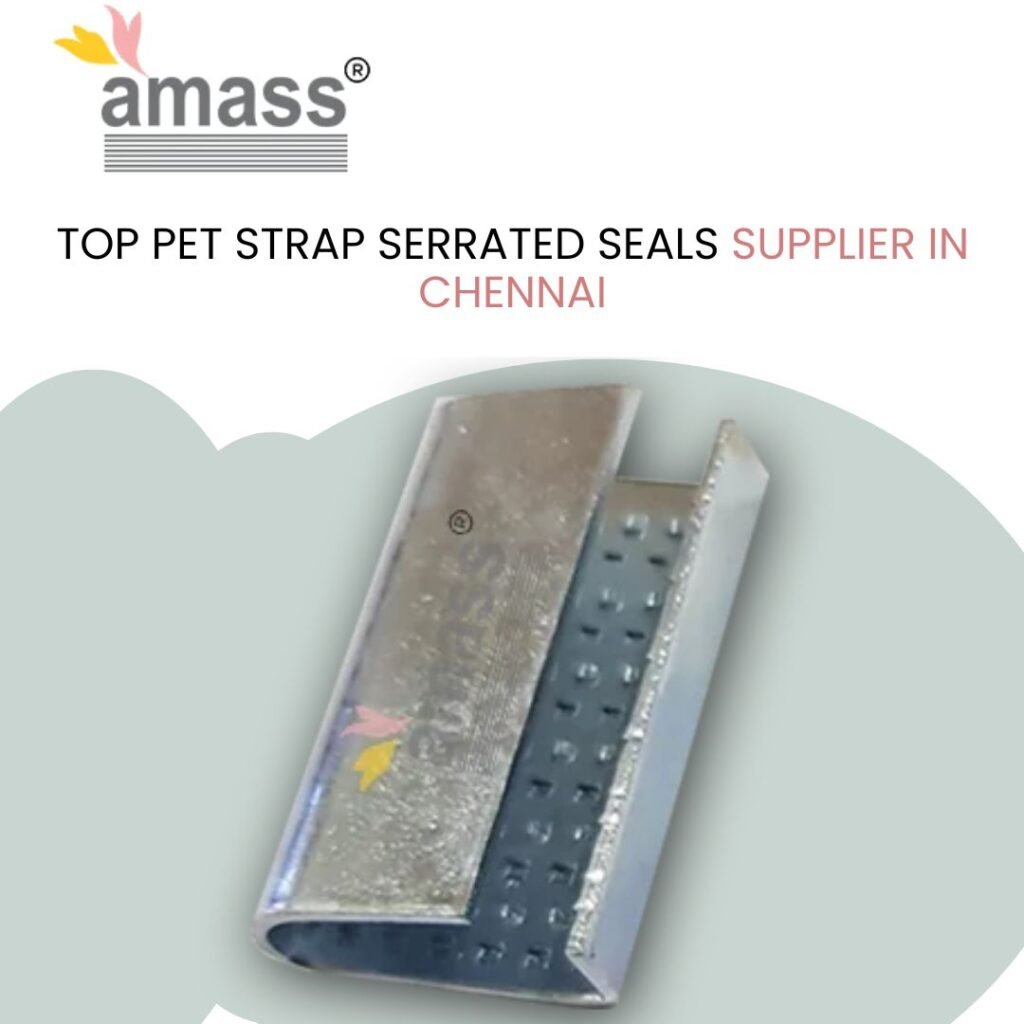
Buying PET strap serrated seals looks simple on paper. You match the strap width, check the thickness, and place an