Composite Cord Strap Supplier in Maharashtra

Steel vs. PET/Composite Strapping: Warehouse Transition Guide
December 18, 2025
Composite Cord Strap Supplier in Gujarat
January 10, 2026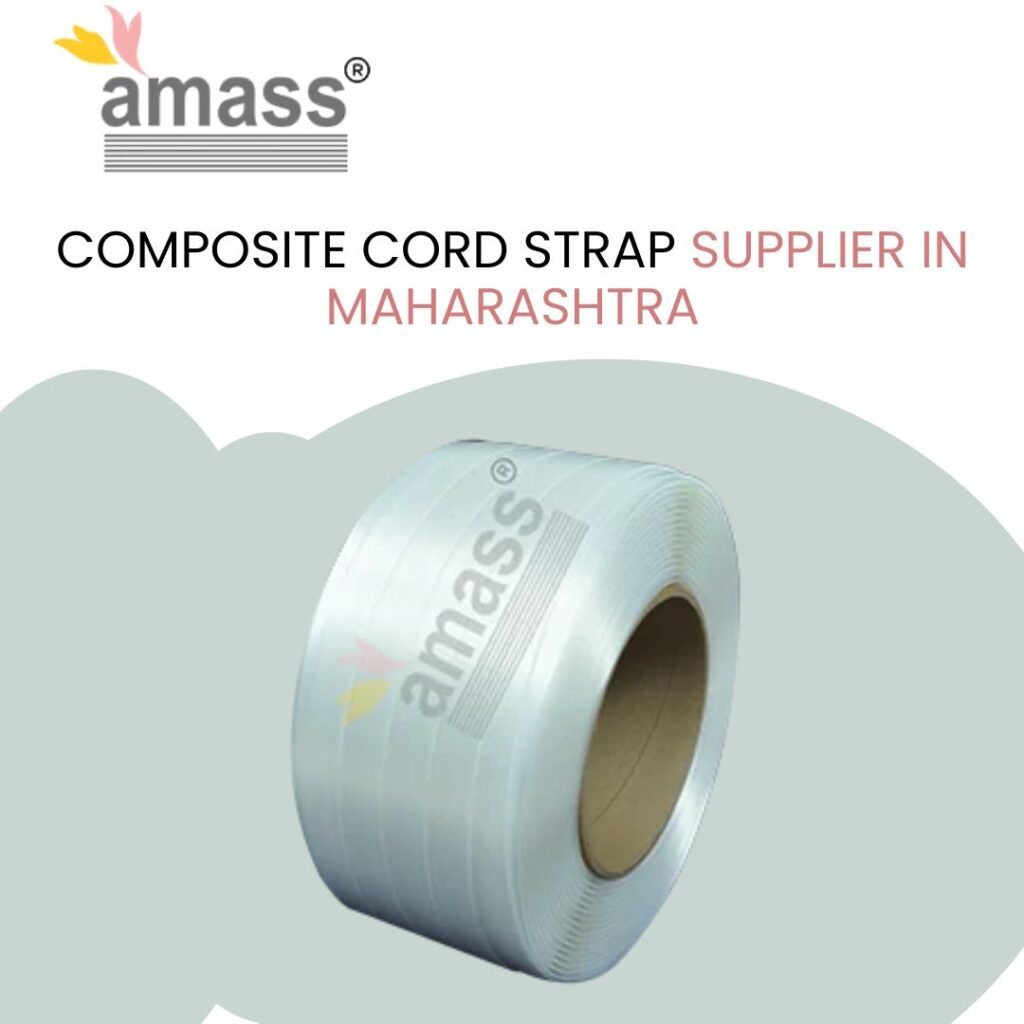
Introduction
Finding a reliable composite cord strap supplier in Maharashtra shouldn’t be guesswork. Most buyers pick suppliers based on price alone and end up with inconsistent quality, delayed shipments, or straps that fail under real-world loads. Location matters—local suppliers deliver faster, offer better technical support, and adapt to custom requirements without the friction of long-distance coordination. This guide walks through what defines quality composite cord straps, how to evaluate Maharashtra-based suppliers, and which features separate dependable providers from commodity resellers who can’t back up their claims.
What Composite Cord Strap Is
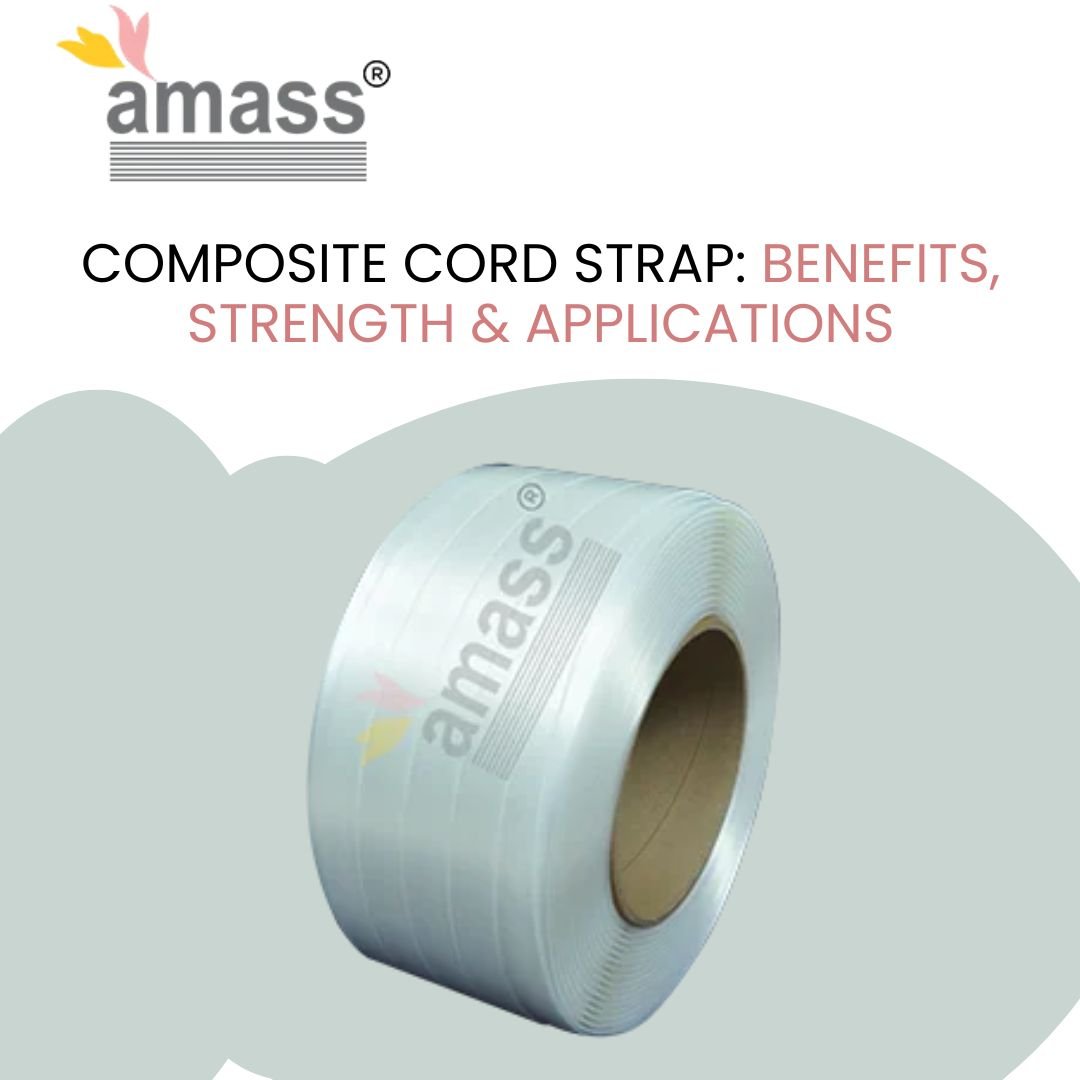
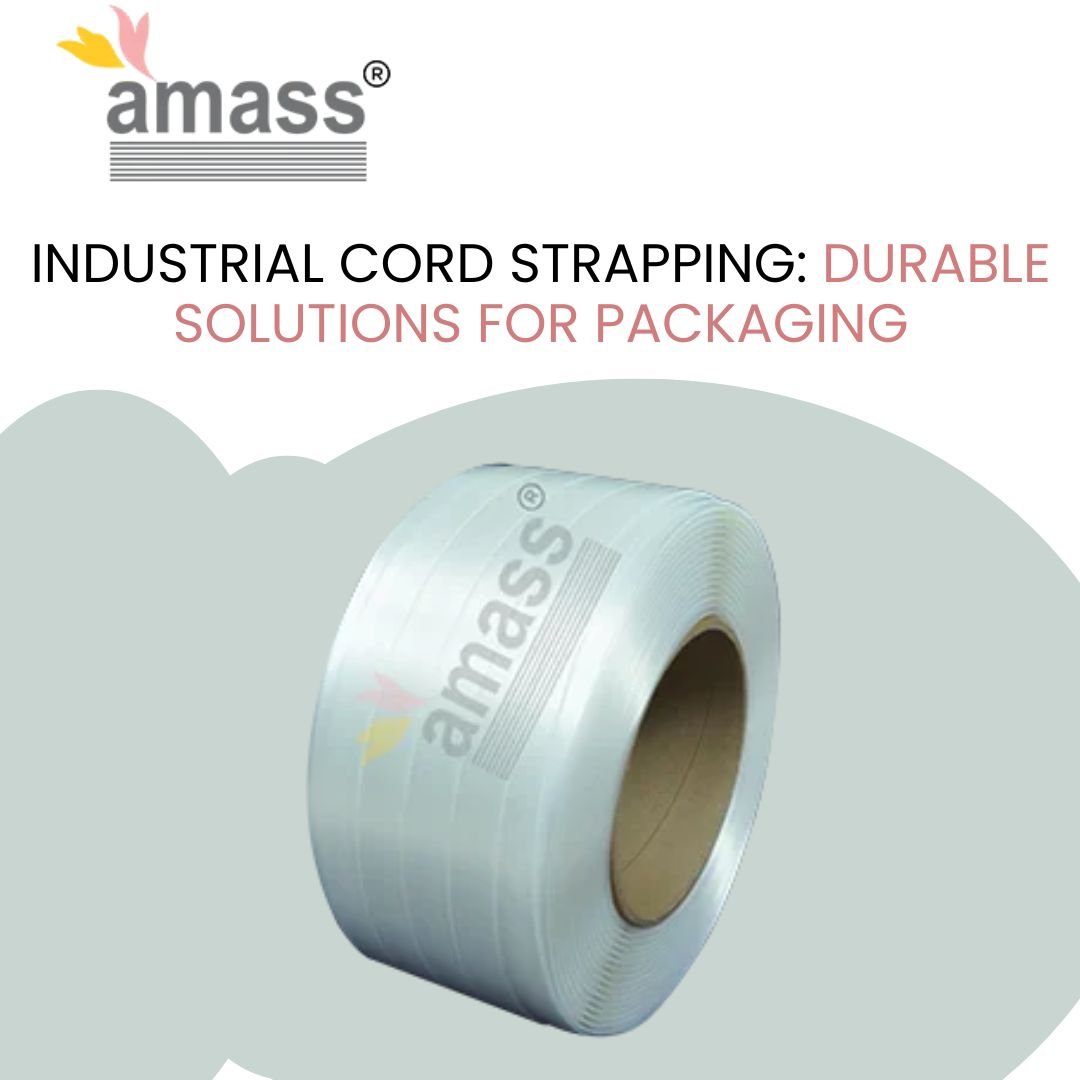
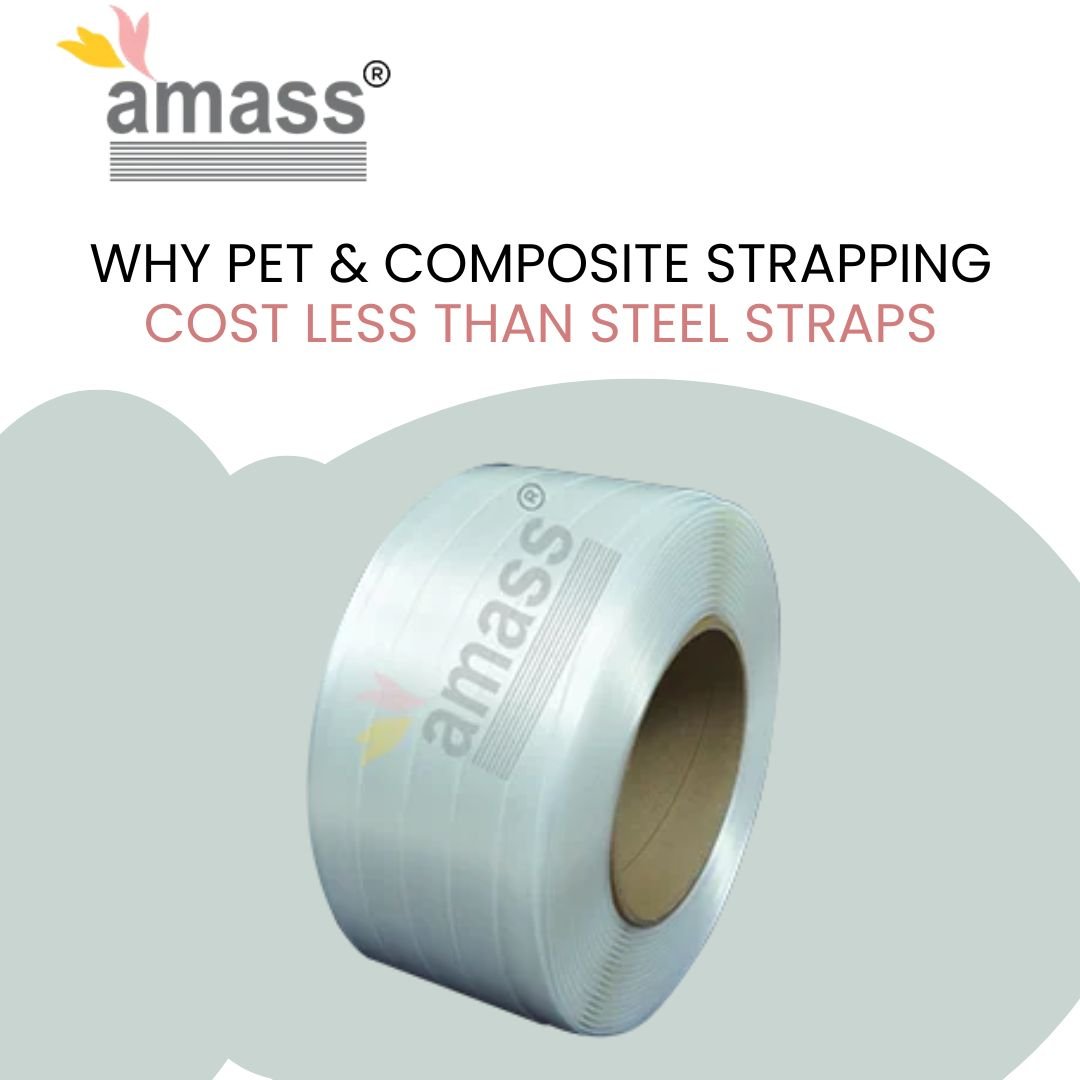
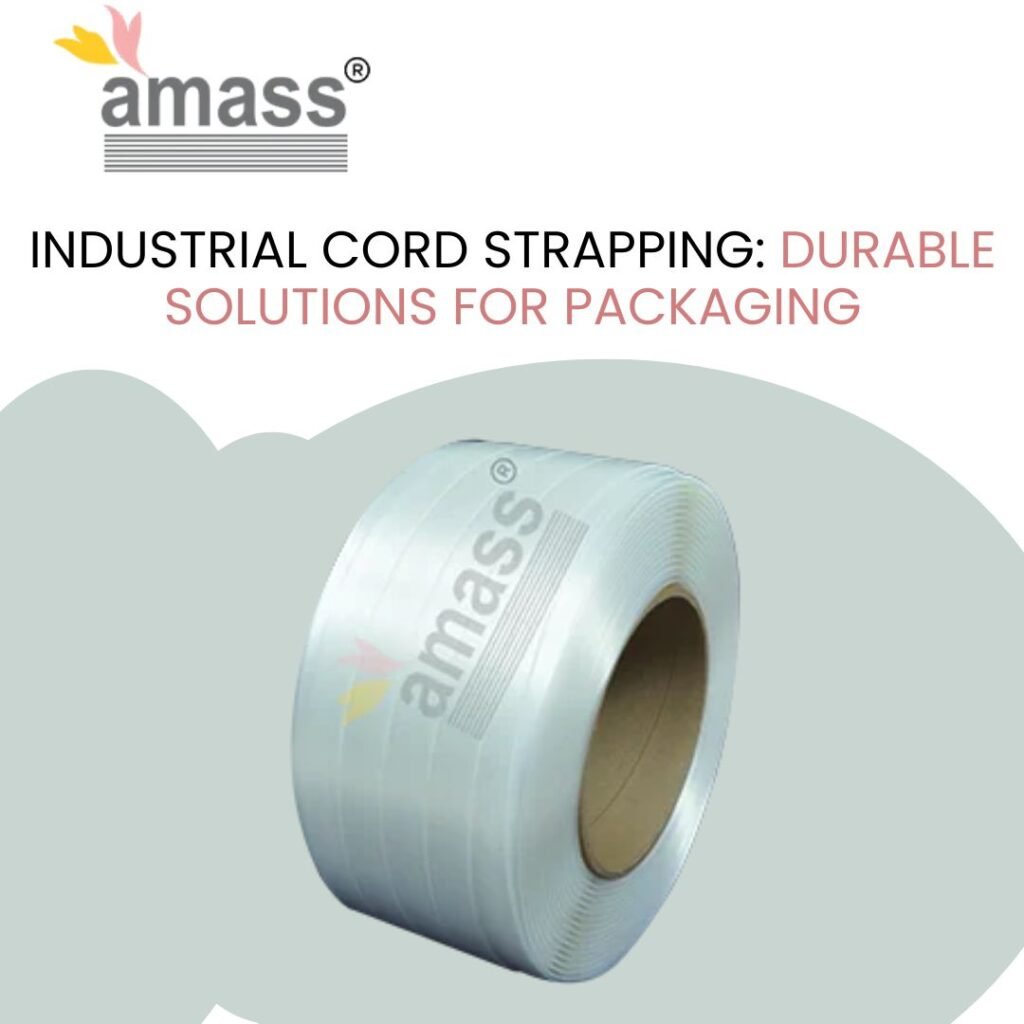
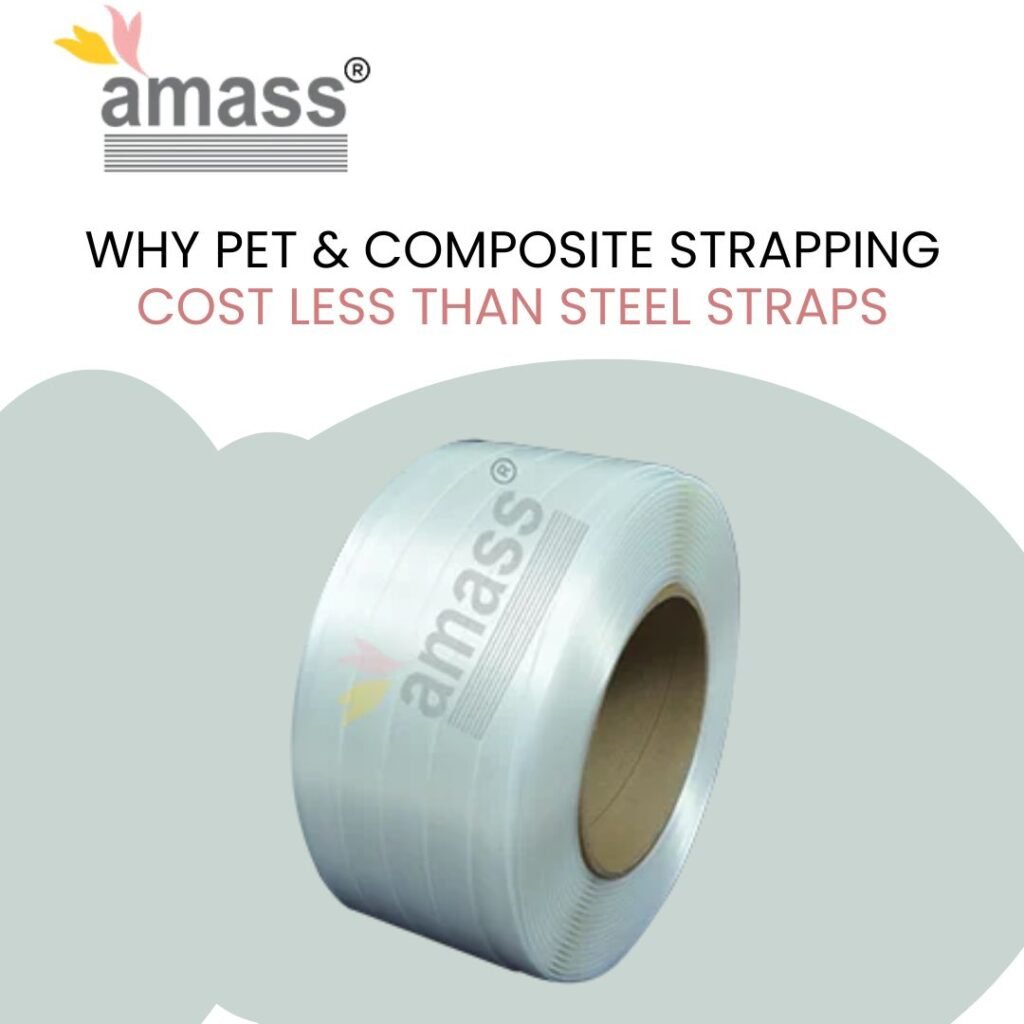
Composite cord strap combines high-tenacity polyester fibers with a protective polymer coating, creating a strapping material that delivers steel-like strength at a fraction of the weight. The internal cords run parallel along the strap length, distributing tension evenly and preventing the cross-directional splitting you see in woven straps.
Breaking strength ranges from 800kg to over 2500kg depending on strap width and construction. Most industrial applications use 13mm, 16mm, or 19mm widths with breaking strengths between 1100-1650kg. The polymer coating protects the polyester fibers from UV degradation, moisture, and abrasion during outdoor storage or long-haul transport.
Unlike steel strapping, composite cord doesn’t rust, won’t damage cargo surfaces, and poses lower injury risk during handling. It maintains tension better than polypropylene, which creeps and loosens over time, especially in temperature fluctuations.
Key Features of Quality Composite Cord Straps
Tensile strength consistency matters more than peak ratings. A strap rated for 1500kg should hold 1500kg across every meter of every coil—not just in lab samples. Ask suppliers for batch-to-batch variation data, not just single test results.
UV resistance extends service life in outdoor applications. Low-grade composite straps degrade within 3-6 months of sun exposure; quality straps maintain 80%+ strength after 12 months outdoors. Check for UV stabilizers in the polymer coating and ask for weathering test documentation.
Water resistance prevents fiber degradation in humid or wet conditions. Polyester absorbs minimal moisture compared to natural fibers, but poor-quality coatings can crack and expose the core. Quality straps shed water and dry quickly without losing grip on buckles or seals.
Load Retention Over Time
Composite cord maintains 95%+ of applied tension after 72 hours, compared to 60-70% for polypropylene. This difference shows up in real-world applications—loads that shift during multi-day transport usually fail because the strap relaxed, not because it broke.
How to Choose the Right Supplier
Certifications prove testing, not marketing claims. ISO 9001 covers quality management systems; look for suppliers who also provide third-party testing reports for breaking strength, elongation, and UV resistance. Self-certified data is worthless—independent labs remove bias.
Inventory depth signals reliability. Suppliers who stock multiple widths and strengths in volume can fulfill rush orders and handle custom lengths without 4-6 week lead times. Resellers with shallow inventory create bottlenecks when you scale up or need emergency replacements.
Technical support separates manufacturers from traders. Can the supplier recommend strap width and buckle type for your specific load? Do they understand system strength vs linear strength? Traders recite spec sheets; manufacturers solve application problems.
Product Range and Customization
Standard widths in Maharashtra run 13mm, 16mm, 19mm, and 25mm with breaking strengths from 850kg to 2500kg. Most suppliers stock these in 500m or 1000m coils. Custom lengths cost more but reduce waste if your application uses consistent strap segments.
Color coding helps operators distinguish between strap grades on busy packing lines. Standard colors are white, black, or green, but many suppliers offer custom colors for private labeling or visual quality control at minimum order quantities around 5000-10,000 meters.
Matching buckles and seals should come from the same supplier to ensure compatibility. Strap thickness, coating texture, and tensile rating all affect buckle selection. Mixing strap and buckle brands introduces variables that compromise system strength.
Why Local Suppliers Outperform Others
Delivery speed matters when you’re managing lean inventory or facing unexpected volume spikes. Maharashtra-based suppliers can deliver to Pune, Mumbai, Nagpur, or Nashik within 1-3 days. Pan-India suppliers often need 7-10 days, and international sources run 30-45 days.
After-sales support works better face-to-face. When you have a strapping issue—slipping buckles, frayed straps, or load failures—local suppliers can visit your site, inspect the problem, and recommend solutions. Remote suppliers offer phone support and email troubleshooting, which rarely solves field problems quickly.
Flexible order quantities help smaller operations or businesses testing new applications. Local suppliers often accept orders as small as 1000-2000 meters; larger distributors enforce 10,000+ meter minimums that lock up working capital.
Industry Applications in Maharashtra
Packaging and logistics operations in MIDC industrial zones across Pune, Aurangabad, and Nashik use composite cord for palletized goods, bundled pipes, and containerized cargo. The material handles repeated tensioning and weather exposure better than PP strap.
Construction and heavy machinery transport relies on composite cord for securing steel beams, precast concrete sections, and equipment during transit. The non-corrosive properties prevent rust transfer to finished surfaces.
Agriculture and warehousing applications include baling cotton, securing fertilizer bags, and bundling irrigation pipes for storage. UV resistance extends outdoor storage life without strap degradation.
Quality Assurance and Testing
In-house quality checks should include breaking strength tests on random samples from each production batch, coating thickness measurements, and visual inspection for fiber consistency. Suppliers who can’t demonstrate these checks are reselling without verification.
Traceability systems link each coil to production date, batch number, and test results. If a quality issue appears, traceable systems let you isolate affected inventory quickly instead of scrapping everything.
Real-world performance data beats lab specs. Ask suppliers for case studies or customer references from your industry. How did the strap perform during monsoon season? Did it maintain tension through a 1500km truck haul? Lab tests can’t predict field conditions.
Supplier Selection Checklist
Before you commit to a Maharashtra supplier, verify these points:
- Independent testing: Third-party reports for breaking strength and UV resistance
- Inventory depth: Stock levels across widths and strengths you’ll need
- Customization: Minimum order quantities for custom lengths or colors
- Delivery timeline: Realistic lead times with backup plans for rush orders
- Technical support: Access to application engineers, not just sales reps
- Batch traceability: Systems to track quality back to production runs
- Reference customers: Contacts in your industry who use the same strap
Frequently Asked Questions
Q: What’s the minimum order quantity for custom composite cord straps?
A: Most Maharashtra suppliers set MOQs around 5000-10,000 meters for custom colors or private labeling. Standard widths and colors often have lower minimums—1000-2000 meters—because they’re regular production runs. Always confirm MOQs before requesting custom specs to avoid wasting time on unviable options.
Q: How do I verify a supplier’s quality claims?
A: Request third-party test reports from accredited labs, not in-house data. Check batch numbers on reports against inventory you’re buying. Visit the facility if possible to see quality control processes firsthand. Ask for customer references and follow up with them about real-world performance and consistency.
Q: Can composite cord strap replace steel strapping in all applications?
A: Not entirely. Very heavy loads over 3000kg or sharp-edged cargo that cuts through polymer coatings still need steel. But composite cord handles 70-80% of industrial strapping applications at lower cost, lighter weight, and safer handling. Evaluate load weight, edge protection, and environmental conditions before switching.
Q: What causes composite cord strap to fail during use?
A: Under-tensioning lets loads shift and loosens the joint. Wrong buckle type or size creates weak connections. UV degradation from poor-quality coatings reduces strength over months. Sharp cargo edges cut through the polymer and expose fibers. Most failures trace to improper application technique or mismatched components, not defective strap material.
Q: How long can I store composite cord strap before it degrades?
A: Quality composite cord maintains full strength for 2-3 years when stored indoors, away from direct sunlight and extreme temperatures. UV exposure accelerates degradation—outdoor storage reduces service life to 6-12 months depending on coating quality. Keep straps in original packaging until use and rotate inventory on a first-in-first-out basis.
Conclusion
Choose a Maharashtra supplier who backs claims with third-party testing, stocks the widths and strengths you need, and offers technical support beyond order-taking. Local suppliers deliver faster, solve problems quicker, and adapt to your requirements without the friction of long-distance coordination.
Request test reports and delivery timelines from your current supplier this week and compare them against these benchmarks.
Amass-Strap manufactures composite cord strapping in Maharashtra with full batch traceability, third-party testing for every production run, and in-house technical support to match strap specifications to your exact load requirements. We stock 13mm through 25mm widths with breaking strengths from 850kg to 2500kg, and we ship across Maharashtra within 1-3 days.
Visit amass-strap.com to see our complete range of composite cord straps, matching buckles, and tensioning tools, or contact our technical team to discuss your application and get recommendations for the right strap-buckle combination with documented system strength data.