Cost-Efficiency of Composite Cord Strap for Bulk Shipping

Advantages of Composite Cord Strap over Steel & Poly Strapping
October 9, 2025
Handling Common Issues with Composite Cord Straps
October 14, 2025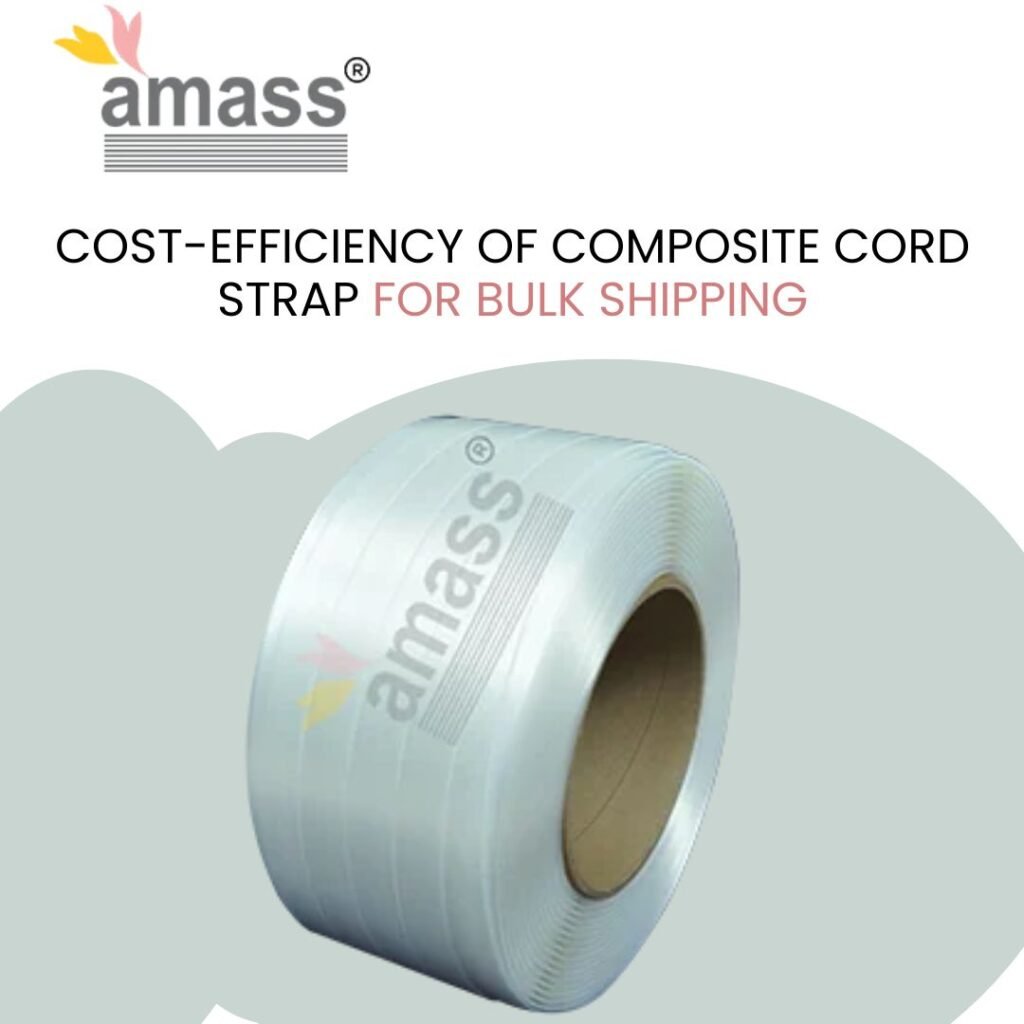
Bulk shipping operations lose thousands of dollars each year to damaged cargo, workplace injuries from steel strap recoil, and hidden freight costs that pile up from using the wrong strapping material. Composite cord straps cut costs by up to 50% compared to steel while delivering the same strength for heavy loads. Made from high-tenacity polyester fibers embedded in polymer coatings, these straps eliminate rust, reduce shipping weight, and lower injury rates. This article breaks down where the savings come from, what makes composite straps perform better than steel, and how to use them for maximum cost efficiency in bulk shipping operations.
What Are Composite Cord Straps?
Composite cord straps are made from polyester fibers woven or bonded together, then coated with a polymer layer for durability. The material combines flexibility with tensile strength ranging from 400 kg to over 2,100 kg, depending on strap width. Available in widths from 13mm to 32mm, these straps handle loads that steel traditionally secured.
The polymer coating resists corrosion, moisture, and UV damage, which extends the product’s lifespan in harsh environments. Unlike steel, composite straps absorb shock during transport instead of transferring impact force directly to the cargo. This elasticity means the strap maintains tension even when loads shift or expand during long-distance shipping.
Cost Advantages for Bulk Shipping
Direct Material Savings
Polyester strapping costs 50% less than steel strapping with equivalent break strength. A roll of composite strap weighs significantly less than steel at the same strength rating, which reduces freight costs for both the strapping itself and the packaged goods. For bulk operations shipping hundreds of pallets, this weight difference compounds into substantial savings on fuel and freight charges.
Lower Labor and Safety Costs
Steel straps require specialized tensioning tools and create workplace hazards when cut under tension. Composite straps have no sharp edges and can be handled safely with basic tools, reducing training time and injury-related expenses. The material is easier to apply and remove, which speeds up packing operations and lowers labor hours per shipment.
Reduced Cargo Damage
Composite straps distribute pressure evenly across irregular loads without cutting into edges or corners. Steel straps can damage softer materials like timber or corrugated packaging under tension. The elasticity in composite straps absorbs vibration and sudden movement during transit, which prevents load shifting and minimizes product damage claims.
Long-Term Equipment Savings
Composite strapping doesn’t corrode, so it remains reusable across multiple shipments when properly inspected. Steel straps rust and lose strength over time, requiring more frequent replacement. Composite straps also require less maintenance on tensioning equipment because they don’t leave metal shavings or residue.
Why They Outperform Traditional Options?
Weight-to-Strength Ratio
Pound for pound, polyester composite straps are stronger than steel. A 25mm composite strap with a linear breaking strength of 650 kg weighs a fraction of a steel strap with similar capacity. This efficiency means logistics operations can secure heavy loads without adding unnecessary weight that increases shipping costs per kilogram.
Weather and Chemical Resistance
Steel straps rust in humid environments or when exposed to saltwater during maritime shipping. Composite straps remain unaffected by moisture, chemicals, or UV exposure, making them reliable for outdoor storage, container lashing, and international freight. This resistance eliminates the need to replace corroded straps before reuse.
Retensionable Design
Composite straps can be retightened during transit if loads settle or shift. Steel straps lack this flexibility—once applied, they cannot be adjusted without cutting and reapplying. The ability to restrap saves time and material costs when securing loads for multi-stop deliveries or when cargo shifts during long-haul transport.
Applications in Bulk Shipping
Composite cord straps secure timber, steel coils, machinery, construction materials, and palletized goods for export container lashing. Industries including heavy engineering, metal fabrication, and logistics use them for loads ranging from 1 metric ton to 5 metric tons.
Railway equipment manufacturers use composite straps for securing hopper wagons and locomotive parts during rail transport. The straps’ shock absorption properties make them suitable for maritime shipping, where cargo experiences constant movement from waves and engine vibration. Construction sites rely on them to bundle pipes, rebar, and irregularly shaped materials that steel straps struggle to hold evenly.
FAQs
Q: What is the typical cost per meter for composite cord straps?
A: Composite straps range from ₹4.50 to ₹10 per meter depending on width and strength rating, with bulk orders often qualifying for volume discounts. The 19mm width at ₹4.50/meter offers a system breaking strength of 810 kg, while the 32mm width at ₹10/meter handles 2,100 kg.
Q: Can composite straps replace steel for all applications?
A: Composite straps handle most bulk shipping needs, but steel remains necessary for extremely hot loads or cargo with sharp edges that might cut through polyester fibers. For loads under 8.5 tons without those specific conditions, composite straps provide equal or better performance at lower cost.
Q: How much weight can I save by switching from steel to composite?
A: Composite strapping reduces overall package weight significantly because the straps themselves weigh less than steel at equivalent strength. For operations shipping hundreds of containers annually, this translates to measurable reductions in freight costs based on weight-based pricing.
Q: Are composite straps reusable?
A: Composite straps can be reused across multiple shipments when properly inspected for wear or damage. Their resistance to corrosion and weather extends their functional lifespan compared to steel, which degrades from rust exposure.
Conclusion
Composite cord straps deliver measurable cost savings through lower material prices, reduced freight charges, decreased cargo damage, and improved workplace safety. The material’s strength-to-weight ratio, weather resistance, and restrapping capability make it a practical replacement for steel in most bulk shipping scenarios. Operations that switch from steel see cost reductions of up to 50% while maintaining load security.
Request a quote to calculate your potential savings on your next bulk shipment.
Amass Strap provides high-strength composite cord strapping engineered for bulk shipping efficiency. We supply straps in multiple widths with breaking strengths up to 2,300 kg, custom sizing options, and fast delivery across India. Our straps meet international safety standards and offer corrosion-free performance for domestic and export operations.
Visit amass-strap.com to compare our specifications against your current strapping costs, or contact our team for bulk pricing and technical support.