Handling Common Issues with Composite Cord Straps

Cost-Efficiency of Composite Strapping for Cargo
October 10, 2025
Top Applications for Composite Cord Strap in Logistics & Packaging
October 15, 2025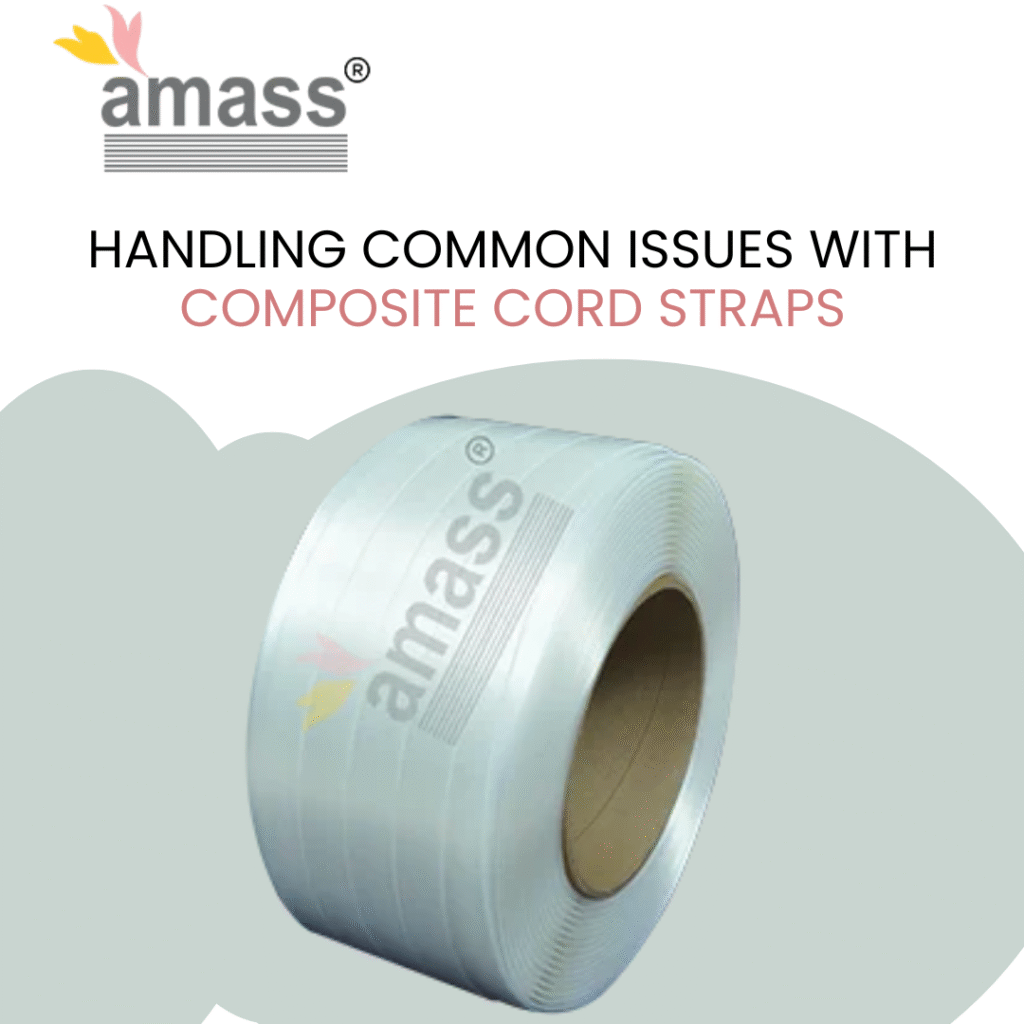
Introduction
Composite cord strap failures cost logistics operations thousands in damaged cargo, workplace injuries, and delayed shipments. Over 60% of strapping issues trace back to incorrect tension settings, poor buckle selection, or inadequate equipment maintenance rather than material defects. High-quality composite straps paired with proper tensioning protocols prevent most common problems, including strap breakage, tension loss, and sealing failures. This article identifies the root causes behind composite cord strap issues, provides step-by-step solutions for each problem, and explains how to avoid recurring failures through proper tool use and inspection routines.
Identifying Strap Breakage and Splitting
Composite cord straps break when tension exceeds the system breaking strength, not just the linear breaking strength of the strap itself. The buckle joint creates the weakest link in any strapping system. A strap rated at 650 kg linear breaking strength might only achieve 480 kg system breaking strength if paired with a substandard buckle.
Visual signs of impending breakage include coating peeling outside the buckle area, visible fiber separation, and discoloration from chemical exposure or excessive heat. Straps exposed to temperatures above 125°C begin softening, while decomposition starts at 285°C. Chemical incompatibility causes brittleness and premature splitting even without visible damage.
Over-tensioning during application stresses the polyester fibers beyond their elastic limit. When proper tensioning occurs, the coating peels inside the buckle to increase friction—this peeling serves as a visual indicator that optimum tension has been reached. Continuing to tension beyond this point reduces shock absorption capacity and increases breakage risk.
Resolving Tension Loss and Loosening
Composite straps retain tension better than steel due to elastic elongation properties, but only when properly paired with heavy-duty galvanized steel wire buckles. Phosphate-coated buckles provide higher friction for applications where loads shift or vibrate during transport. Standard buckles on phosphate-sensitive applications result in gradual tension loss as the strap slips through the joint.
The polymer coating quality determines friction retention inside the buckle. Cheap coatings create stiff straps that don’t peel properly during tensioning, reducing friction and allowing slippage. In cold temperatures below 0°C, low-quality coatings become brittle and lose flexibility, which prevents proper buckle engagement.
Incorrect initial tension creates problems during transit. Under-tensioned straps allow loads to shift, while over-tensioned systems lose their shock-absorbing properties. The strap should be retensioned if loads settle during multi-stop deliveries or when securing materials like timber that expand and contract with humidity changes.
Addressing Sealing and Buckling Failures
Buckle Type Mismatch
Composite cord straps require steel wire buckles—heat seals and crimpers don’t work with this material. Wire buckle strength depends on wire thickness and the forming process used during manufacturing. Buckles from inconsistent suppliers create variable system strength even when using identical straps.
The buckle must match the strap width and strength rating. A 19mm strap needs a 19mm buckle designed for that specific load capacity. Mismatched components compromise the entire system’s performance.
Tool-Related Issues
Manual tensioning reaches lower tension levels than pneumatic or battery-powered tools. Operations requiring high tension for heavy loads need powered tensioners to achieve proper system strength. Tool jams often result from accumulated debris, worn feed wheels, or misaligned strap paths.
Strapping tools require daily cleaning of feed guides and tension wheels to prevent material buildup that interferes with proper feeding. Weekly compressed air cleaning removes dust from hard-to-reach areas. Monthly lubrication of pivot points and moving parts ensures smooth operation.
Preventing Strap Stiffness and Brittleness
Temperature extremes affect strap flexibility. Composite straps perform reliably from -30°C to 140°C, but cheap polymer coatings become unworkable below 0°C. Quality coatings maintain flexibility across the entire temperature range.
Storage conditions impact strap conditions over time. Straps stored in direct sunlight degrade from UV exposure unless manufactured with UV-resistant coatings. Moisture exposure doesn’t damage the polyester fibers but can affect coating adhesion if straps remain wet for extended periods.
Chemical contamination from industrial environments can stiffen the polymer coating. Composite straps resist most chemicals, but prolonged exposure to certain solvents or acids may compromise coating integrity. When brittleness appears, replace the strap rather than attempting to use stiffened material that won’t tension properly.
Implementing Inspection and Maintenance Protocols
Daily equipment checks take minutes but prevent most strapping failures. Inspect the strap material path for debris, check sealing surfaces for plastic residue buildup, and verify cutting blade sharpness. Dull blades cause incomplete cuts that leave long tails interfering with subsequent packages.
Weekly maintenance includes thorough cleaning of all machine surfaces, checking electrical connections for tightness, and examining drive belts for proper tension. Belt tension problems cause inconsistent strap feeding and application. Monthly procedures involve complete lubrication service, calibration checks for tension and seal time settings, and inspection of consumable components before they fail.
Visual strap inspection should check for:
- Coating peeling outside buckle areas
- Visible fiber separation or fraying
- Discoloration indicating chemical or heat damage
- Cracks or brittleness in the polymer coating
- Deformation at buckle joints from previous use
Straps showing any of these signs require replacement. Reusing damaged straps creates cargo securing risks that outweigh material cost savings.
Common Equipment Troubleshooting
Strapping tool jams occur when feed wheels wear down or debris blocks the material path. Clean feed guides daily and replace worn feed wheels when material slippage becomes frequent. Tension setting drift happens gradually—monthly calibration verification ensures consistent strap application.
Increased maintenance frequency from weekly to twice-weekly reduces breakdown incidents by up to 40% for high-use equipment. This preventive approach costs less than emergency repairs and production downtime.
Pneumatic systems require clean air filters and leak-free connections to maintain proper pressure. Low air pressure causes erratic tool operation and inconsistent tensioning. Monthly filter replacement and quarterly leak inspections prevent pneumatic-related failures.
FAQs
Q: What causes composite straps to break during normal use?
A: The buckle joint determines system strength—weak buckles break before the strap reaches its linear breaking strength. Over-tensioning beyond the coating peel point and using mismatched strap-buckle combinations account for most breakage incidents. Temperature extremes above 285°C or chemical exposure can also compromise fiber integrity.
Q: How do I know if my strap has reached proper tension?
A: Quality composite straps show coating peel inside the buckle when optimum tension is achieved. This visual indicator prevents over-tensioning that reduces shock absorption. If the coating doesn’t peel, either the strap quality is inadequate or the tensioning tool lacks sufficient power to reach proper tension.
Q: Can composite straps be reused after initial application?
A: Composite straps support retensioning and reuse when properly inspected for damage. Check for coating peeling outside the buckle area, fiber separation, and discoloration before reapplying. Timber and other materials that shrink during transit benefit from retensionable straps that can’t be achieved with steel.
Q: What maintenance schedule prevents most strapping failures?
A: Daily cleaning of feed guides and tension wheels, weekly compressed air cleaning of hard-to-reach areas, and monthly lubrication of moving parts prevent 70% of equipment-related failures. High-use operations benefit from twice-weekly maintenance rather than weekly schedules.
Q: Why do my straps lose tension during shipping?
A: Inadequate buckle quality allows strap slippage through the joint, especially without heavy-duty galvanized steel wire buckles. Cheap polymer coatings don’t peel properly to create friction inside buckles. Under-tensioning during initial application also causes premature loosening as loads settle during transit.
Conclusion
Most composite cord strap failures stem from buckle mismatches, incorrect tension settings, and inadequate equipment maintenance rather than material defects. Using heavy-duty steel wire buckles matched to strap width and strength ratings eliminates joint weakness. Daily tool cleaning and monthly calibration checks prevent equipment-related issues. Proper coating quality ensures straps remain flexible across temperature ranges while providing visual tension indicators.
Request a technical consultation to evaluate your current strapping system and identify improvement opportunities.
Amass Strap manufactures premium composite cord strapping with high-quality polymer coatings that peel properly during tensioning, providing clear visual indicators when optimum tension is reached. Our straps pair with heavy-duty galvanized steel wire buckles engineered for consistent system breaking strength from 480 kg to 2,600 kg. We supply matching tensioning tools, provide operator training for proper application techniques, and offer technical support for troubleshooting existing strapping systems.
Visit amass-strap.com to access our troubleshooting guide, request material certification documents showing linear and system breaking strengths, or schedule an on-site evaluation of your current strapping operations with our technical team.