PET Strap Serrated Seals vs Smooth Seals: Which Is Better for Your Packaging?

Top Applications for Composite Cord Strap in Logistics & Packaging
October 15, 2025
Top Applications of PET Strap Serrated Seals in Industrial Packaging
October 17, 2025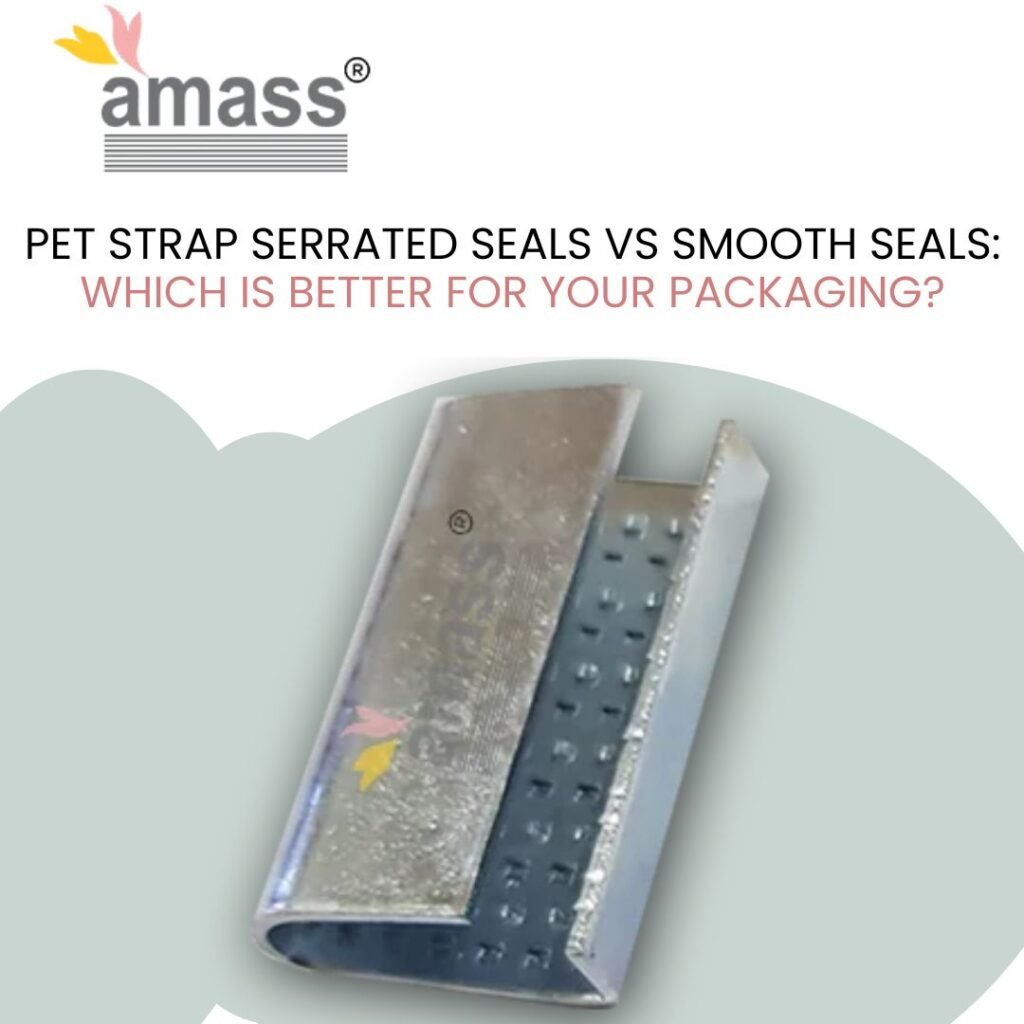
Packaging operations lose thousands in damaged shipments each year when seals fail and straps slip loose during transport. The wrong seal type paired with PET strapping reduces joint strength by up to 40%, creating load instability that leads to cargo damage and safety incidents. Smooth seals work on textured polypropylene straps but slip dangerously on glossy PET surfaces, while serrated seals grip smooth polyester with teeth designed specifically for this challenge. This article explains the technical differences between seal types, identifies which applications demand serrated versus smooth seals, and shows how proper seal selection prevents the slippage failures that compromise packaging integrity.
Understanding Seal Types and Surface Interaction
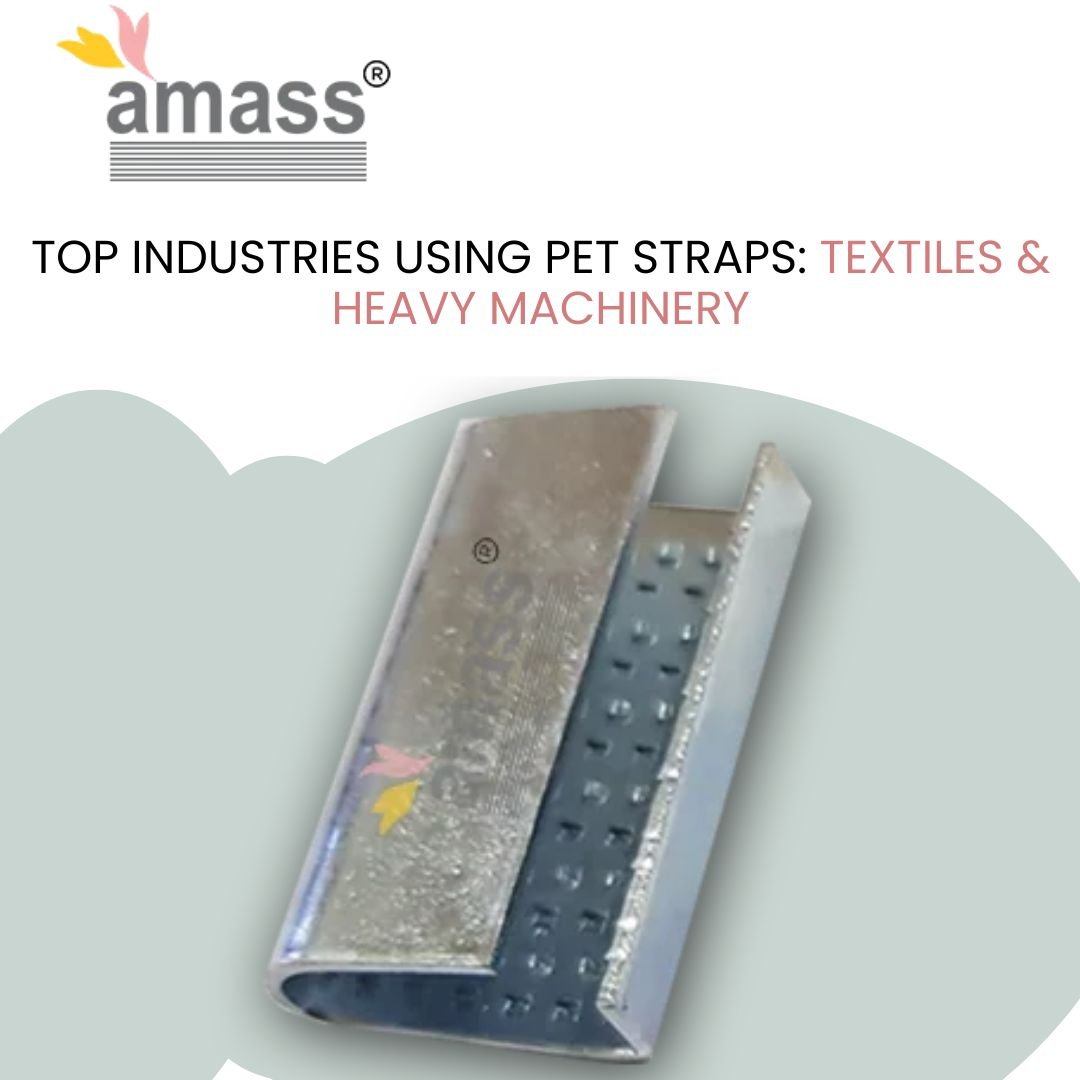
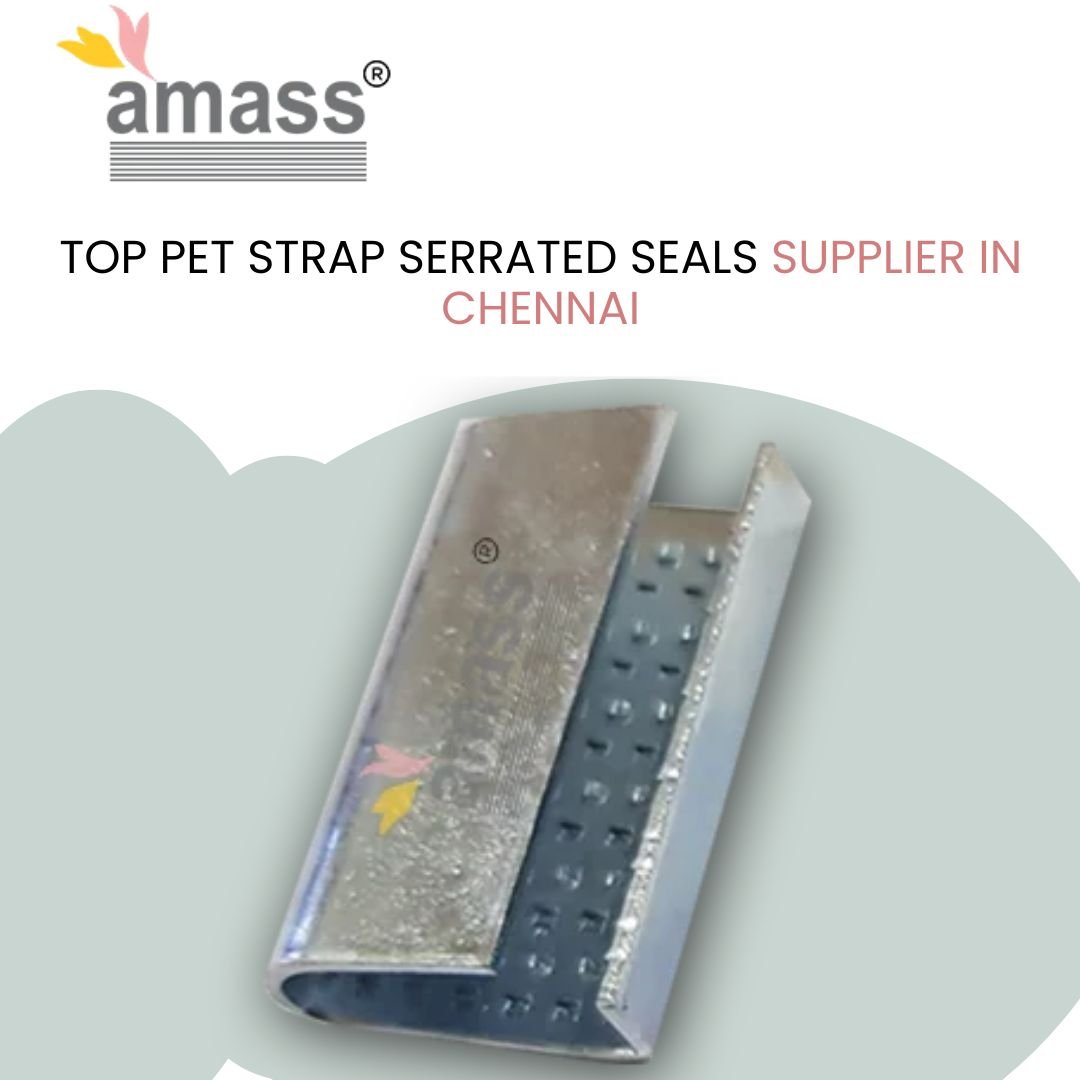
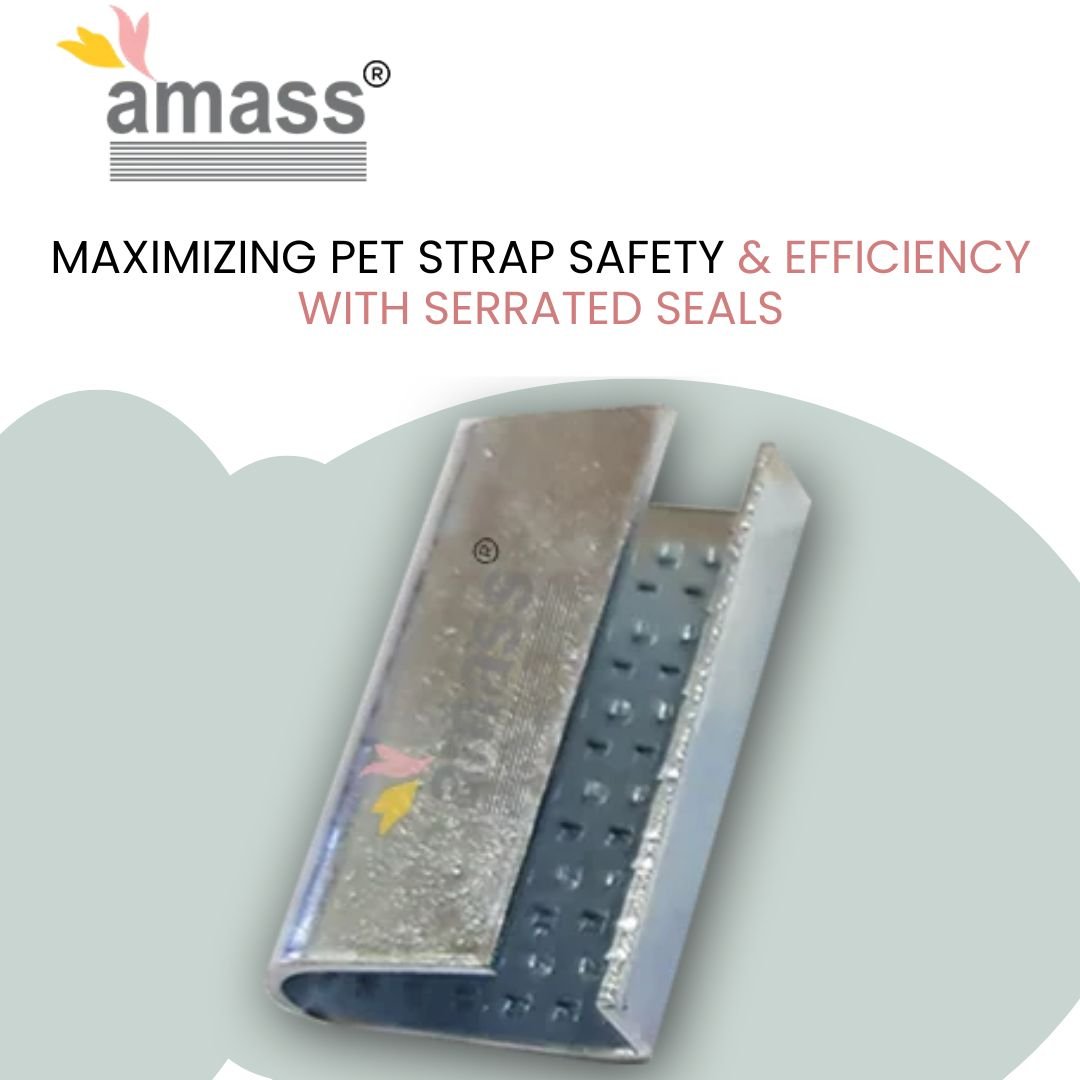
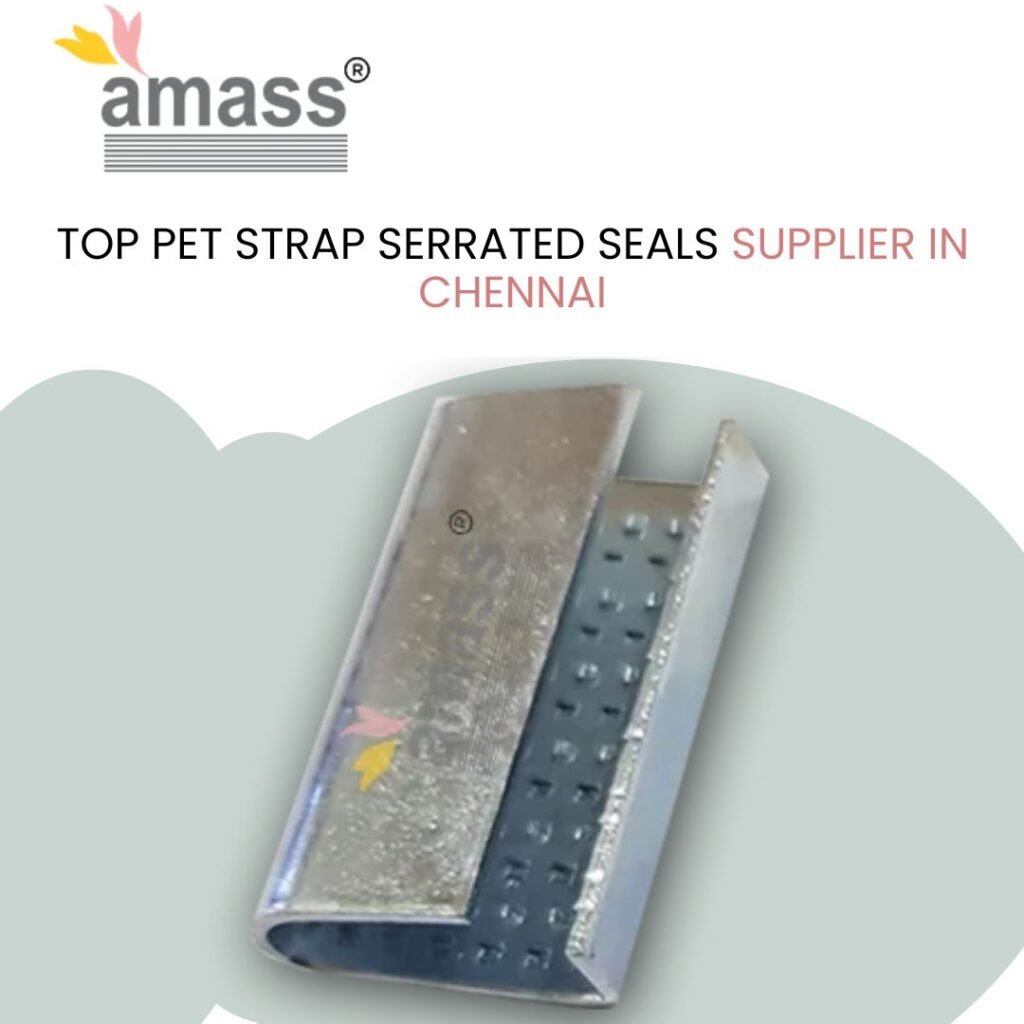
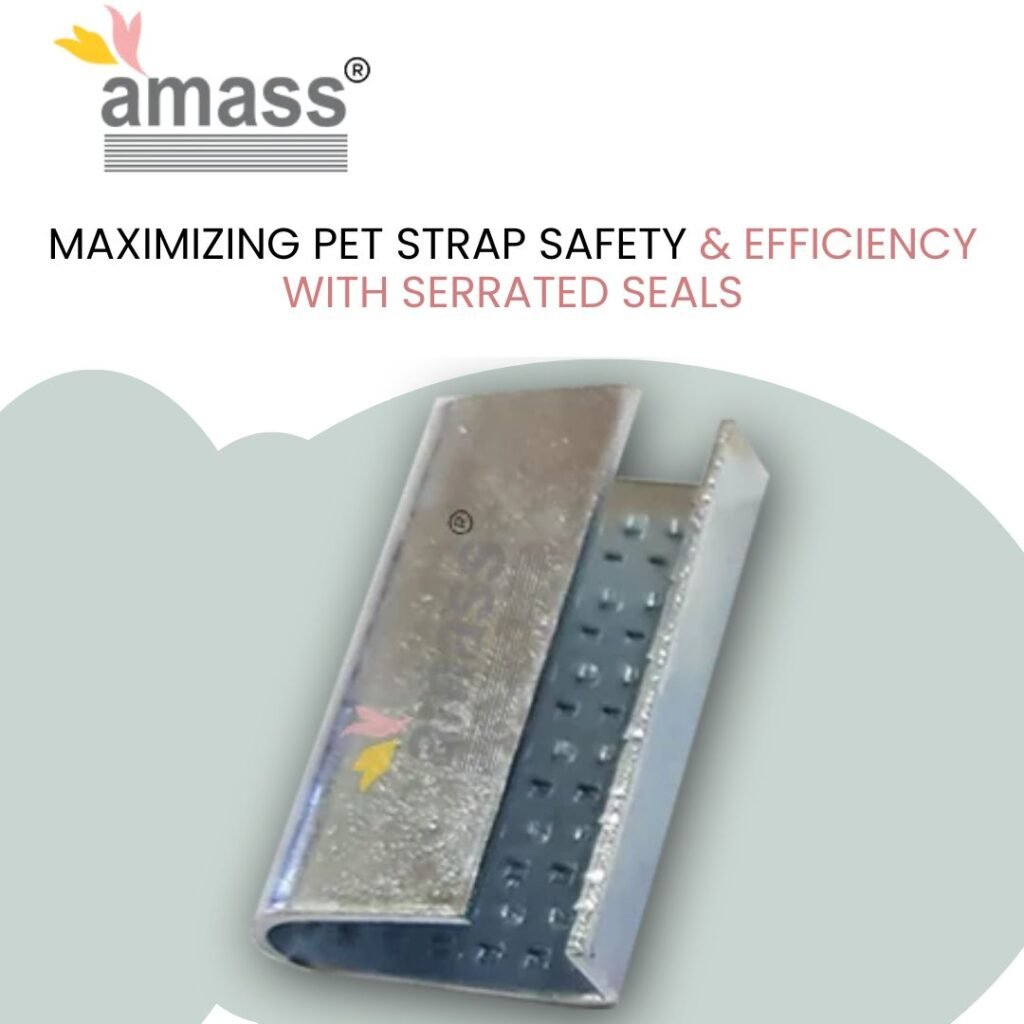
Metal seals for PET strapping come in smooth and serrated designs, each engineered for specific strap surface textures. Smooth seals feature flat interior surfaces without texture or teeth. Serrated seals incorporate ridged teeth or grooves on the interior surface that bite into strapping material.
The critical factor determining seal performance is surface interaction between the seal interior and the strap exterior. PET strapping has a smooth, glossy surface that creates minimal friction with flat metal. Polypropylene strapping often features an embossed or textured surface that generates natural grip with smooth seals.
This surface compatibility directly affects joint strength—the maximum force a seal can withstand before the strap slips through. Metal seals typically achieve 100-120 kg slip resistance on polypropylene straps with matching smooth surfaces, but this drops significantly when smooth seals meet glossy PET surfaces.
Why Serrated Seals Dominate PET Applications
Serrated teeth create mechanical grip on smooth PET surfaces where friction alone fails. The ridges bite into the polyester coating, forming physical anchor points that prevent slippage under tension. This gripping action becomes critical for heavy loads where smooth seals would allow the strap to pull through the joint.
PET strapping’s tensile strength ranges from 400 kg to over 1,000 kg depending on width and grade. Smooth seals can’t transfer these high loads through friction alone when working with glossy polyester surfaces. The serrated design compensates for the PET surface’s lack of texture by creating artificial grip points.
Testing shows that serrated seals maintain joint integrity under vibration, temperature shifts, and sudden impacts during shipping. The mechanical interlock between teeth and strap prevents the gradual loosening that occurs with smooth seals on PET applications. Operations shipping heavy machinery, building materials, or export cargo rely on this enhanced grip strength.
Limited Applications for Smooth Seals in PET Systems
Smooth seals serve polypropylene strapping applications where the strap’s embossed texture provides natural friction. They work effectively with lighter polyester strapping in low-tension applications where the load weight stays below 200 kg. The smooth interior surface mates cleanly with textured polypropylene without damaging the strap material.
Cost considerations make smooth seals attractive for high-volume operations using polypropylene—they typically cost 15-20% less than serrated alternatives. Manual application with hand sealers requires less force to crimp smooth seals compared to serrated designs. This ease of application matters in warehouses processing hundreds of packages daily with hand tools.
However, using smooth seals on glossy PET strapping creates failure risks that outweigh any cost savings. The lack of mechanical grip allows loads to shift during transport, compromising cargo security. Operations that mistakenly pair smooth seals with PET straps experience higher damage rates and customer complaints from loosened packages.
Application Factors That Determine Seal Choice
Load Weight and Tension Requirements
Heavy loads exceeding 300 kg demand serrated seals regardless of strap type. The mechanical bite force provides security margins that smooth seals can’t match at high tension levels. Light packaging under 150 kg may function adequately with smooth seals on textured polypropylene straps.
Environmental Exposure
Outdoor storage, maritime shipping, and temperature extremes test seal joint integrity. Serrated seals maintain grip through freeze-thaw cycles and moisture exposure where smooth seals may allow gradual slippage. Cargo experiencing constant vibration during truck or rail transport benefits from serrated teeth that resist loosening.
Strap Material and Surface Finish
- Glossy PET strapping requires serrated seals without exception
- Embossed polypropylene works with smooth seals for light applications
- Textured PET strapping can sometimes use smooth seals in low-tension scenarios
- Composite cord strapping needs specific buckle types rather than crimped seals
Tool Compatibility and Application Methods
Serrated seals require sealing tools with non-symmetrical jaws designed specifically for the ridged profile. These specialized tools apply crimping pressure that drives the teeth into the strap without deforming the seal body. Using symmetrical jaws meant for smooth seals on serrated designs produces weak joints prone to failure.
Smooth seals need symmetrical jaw sealers that apply uniform pressure across the flat interior surface. This even compression creates maximum contact area between the smooth seal and textured strap surface. Hand sealers for smooth applications cost less than serrated-specific tools, making them economical for polypropylene operations.
Pneumatic and battery-powered combination tools that tension, seal, and cut in one operation typically work only with heat or friction sealing—not metal seals of either type. These automated systems create seal-less joints by welding the strap ends together. Manual and semi-automatic operations using metal seals require separate tensioners and sealers.
Common Seal Selection Mistakes and Consequences
Using smooth seals on glossy PET strapping represents the most frequent error in packaging operations. This mismatch produces joints that appear secure initially but loosen during transport as the strap gradually slips through the seal. The failure often occurs after packages leave the facility, creating damage claims and customer dissatisfaction.
Applying excessive crimping force to compensate for wrong seal type deforms the seal body without improving grip. The distorted seal may crack under load or damage the strap surface. Proper seal selection eliminates the need for excessive force—the correct seal type achieves secure joints with standard crimping pressure.
Some operations attempt to use serrated seals on thin polypropylene straps, where the aggressive teeth can cut through the material. This damages the strap and creates weak points that fail under tension. The general rule remains: serrated for smooth PET, smooth for textured polypropylene.
Performance Data and Reliability Factors
Metal seals achieve 100-120 kg slip resistance on properly matched strap-seal combinations. Heat welded joints reach 55% minimum break strength of the base strap, while friction welds achieve 65% minimum. Well-calibrated automatic strapping machines target 80% of strap break strength through optimized heat or friction sealing.
Metal seals provide the highest reliability for manual and semi-automatic operations where heat sealing equipment isn’t practical. The serrated design specifically addresses PET strapping’s challenge of maintaining joint strength on smooth surfaces. Operations report 60% fewer seal failures after switching from smooth to serrated seals on PET applications.
The key performance indicator remains whether the seal can withstand the full working load limit without slippage. For a 19mm PET strap rated at 700 kg breaking strength, the seal joint should hold at least 350 kg working load. Serrated seals consistently meet this threshold on PET strapping, while smooth seals often fail at loads below 200 kg on glossy polyester.
FAQs
Q: Can I use smooth seals on PET strapping for light packages?
A: Smooth seals lack sufficient grip on glossy PET surfaces even for light loads. The smooth-on-smooth surface contact creates low friction that allows slippage during normal handling and transport vibration. Always use serrated seals for PET strapping regardless of package weight to ensure joint integrity.
Q: Why do serrated seals cost more than smooth seals?
A: The serrated tooth profile requires additional manufacturing steps including precision cutting or forming of the ridges. This added complexity increases production costs by 15-20% compared to smooth seals. The price difference is justified by superior grip strength and reduced failure rates on PET applications.
Q: What happens if I use symmetrical jaw tools on serrated seals?
A: Symmetrical jaws designed for smooth seals can’t properly crimp serrated profiles. The teeth won’t penetrate the strap surface effectively, resulting in weak joints that slip under load. Always match tool type to seal design—non-symmetrical jaws for serrated, symmetrical for smooth.
Q: Do serrated seals work on polypropylene strapping?
A: Serrated seals can secure polypropylene straps but may damage thin or soft PP material. The aggressive teeth designed for smooth PET surfaces can cut into softer polypropylene. Use smooth seals for polypropylene applications unless dealing with embossed PP on heavy loads where serrated provides extra security.
Q: How do I know if my PET strap requires serrated seals?
A: All glossy-surfaced PET strapping requires serrated seals for reliable joint strength. If the strap surface feels smooth and slippery rather than textured, use serrated seals. When uncertain, perform a test by tensioning the strap and checking whether smooth seals allow any movement when pulled—if slippage occurs, switch to serrated.
Conclusion
Serrated seals prevent the slippage failures that smooth seals create on glossy PET strapping surfaces. The mechanical bite force from serrated teeth provides 60% better grip strength compared to friction-dependent smooth designs on polyester applications. Operations using proper seal selection report significantly fewer packaging failures and cargo damage claims. Match seal type to strap surface texture—serrated for smooth PET, smooth for textured polypropylene—to achieve reliable joints that maintain integrity through the entire shipping cycle.
Contact us to evaluate your current strapping system and identify the optimal seal specifications for your packaging requirements.
Amass Strap supplies precision-manufactured serrated seals engineered specifically for PET strapping applications. Our seals feature optimized tooth profiles that penetrate polyester surfaces for maximum grip strength without damaging strap integrity. Available in sizes from 13mm through 32mm to match all standard PET strap widths, with material grades including galvanized steel for corrosion resistance and phosphate-finished options for enhanced friction. We also provide compatible sealing tools with non-symmetrical jaws designed for proper serrated seal crimping, ensuring secure joints that meet working load requirements.
Visit amass-strap.com to browse our detailed product specifications (e.g. strap strengths, widths, seal profiles). You’re welcome to contact us about sample seals to test with your strapping setup, or arrange a consultation with our sealing / strapping experts. In a consultation, we can review your current methods and recommend how to improve joint reliability and load security based on our product knowhow.