Top Pet Strap Serrated Seals Supplier in Chennai

Why PET & Composite Strapping Cost Less Than Steel Straps
January 20, 2026
Top Industries Using PET Straps: Textiles & Heavy Machinery
January 20, 2026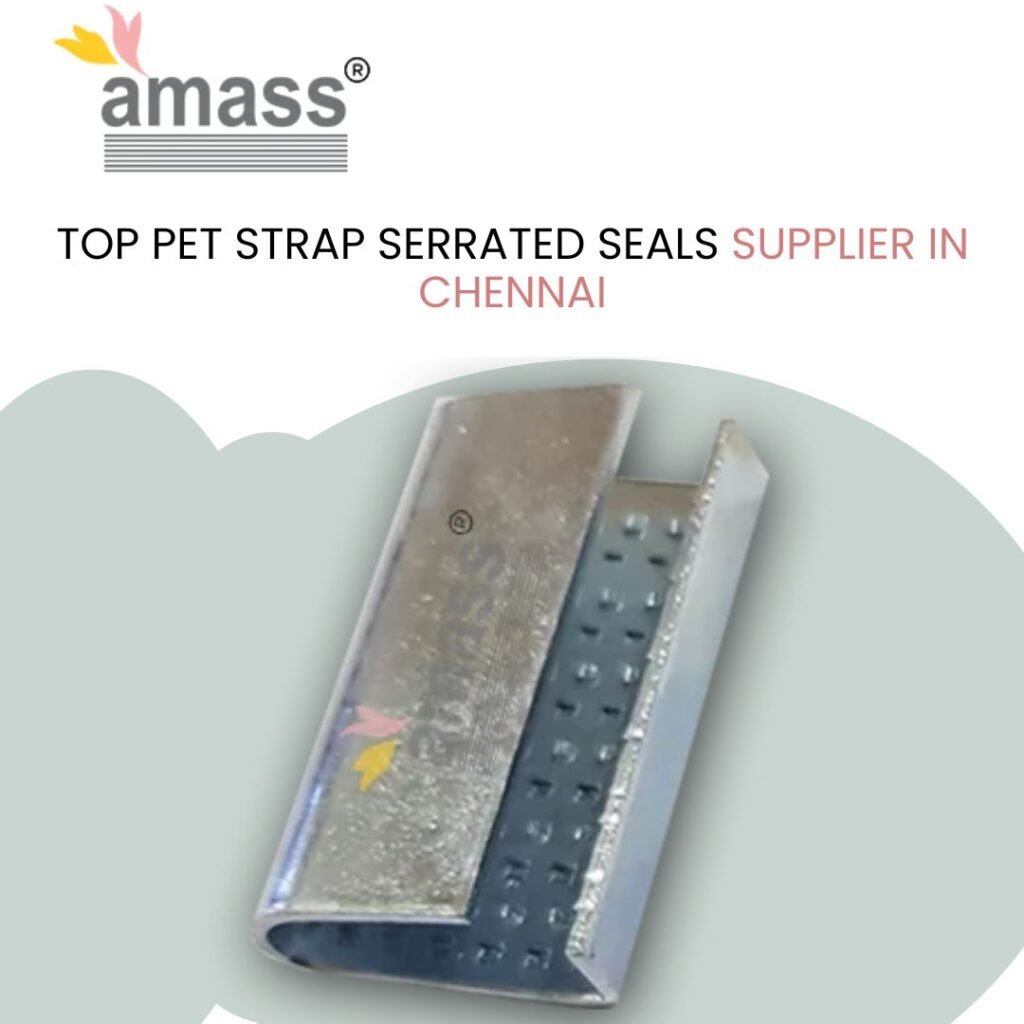
Buying PET strap serrated seals looks simple on paper. You match the strap width, check the thickness, and place an order. In practice, many buyers in Chennai discover the real problem only after shipments move. Seals slip under tension. Loads loosen in transit. Operators over-tighten to compensate. Costs rise quietly.
The difference rarely comes from the strap. It comes from the seal. Serrated seals are small components, but they decide whether applied tension stays locked or slowly escapes during handling and transport.
This article explains how buyers in Chennai should evaluate PET strap serrated seals and suppliers. It breaks down seal design, material choice, grip behavior, tool compatibility, and quality checks. It also highlights common buying shortcuts that lead to failures later. The goal is simple: help you choose seals that hold under real conditions, not just during application.
What PET strap serrated seals are
Purpose and function
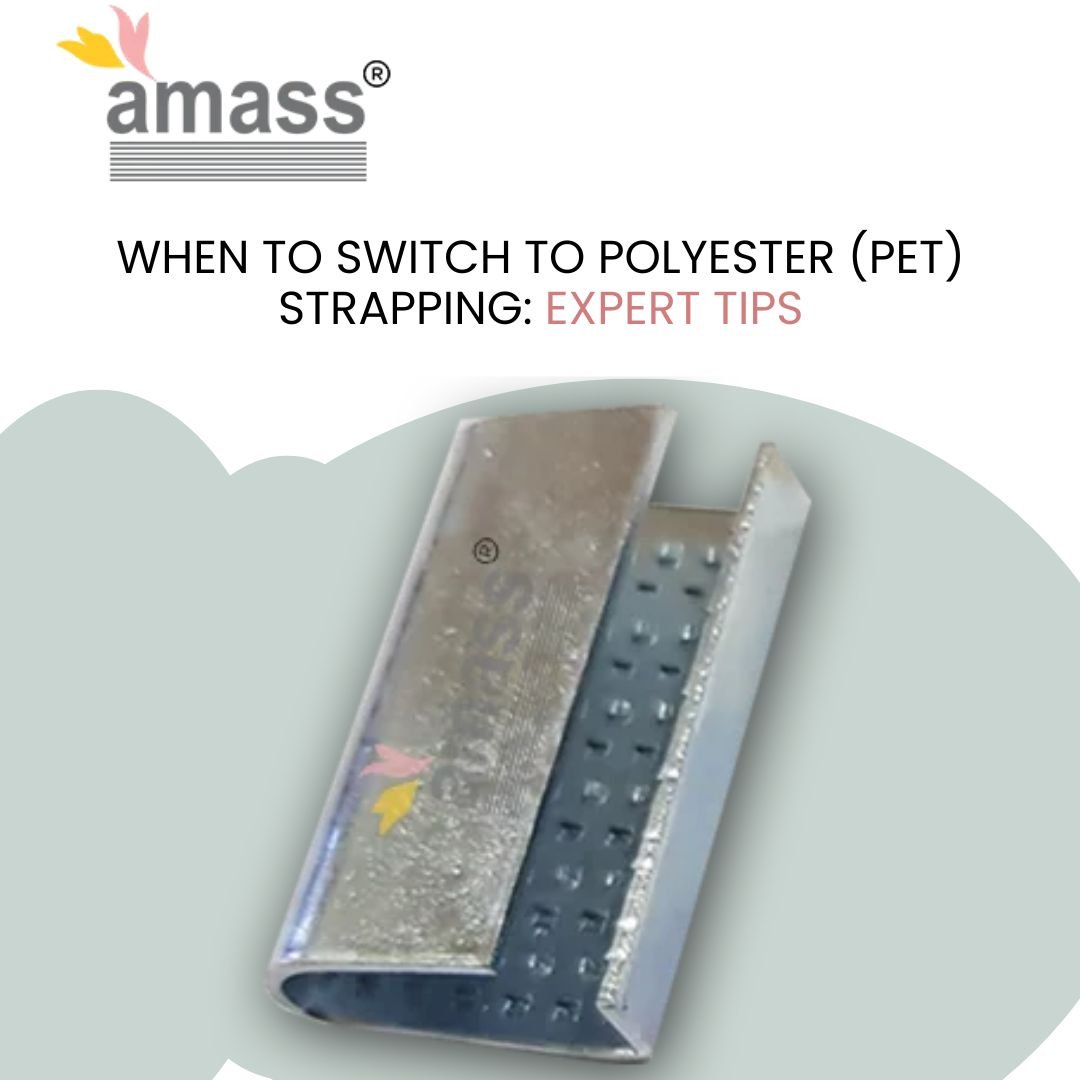
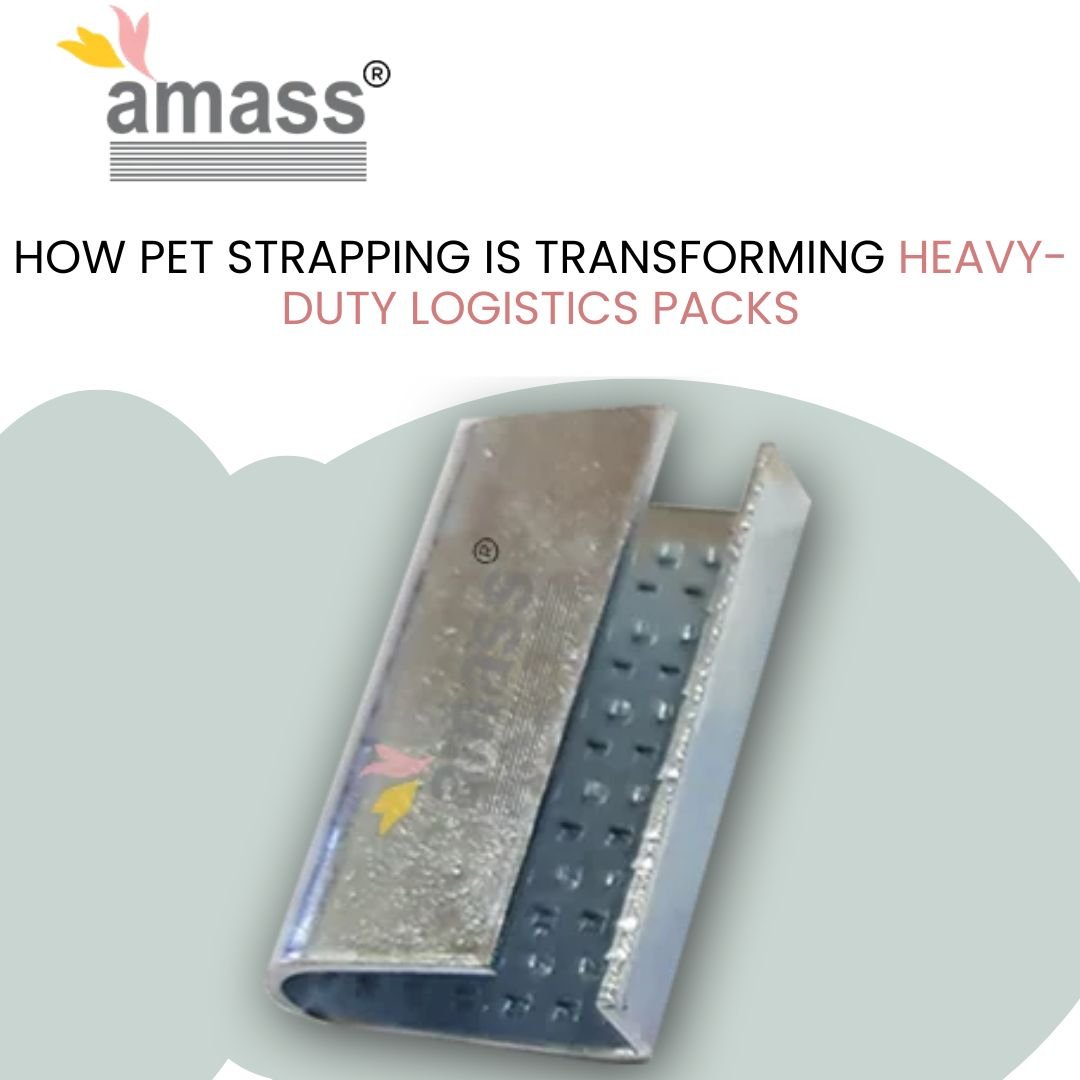
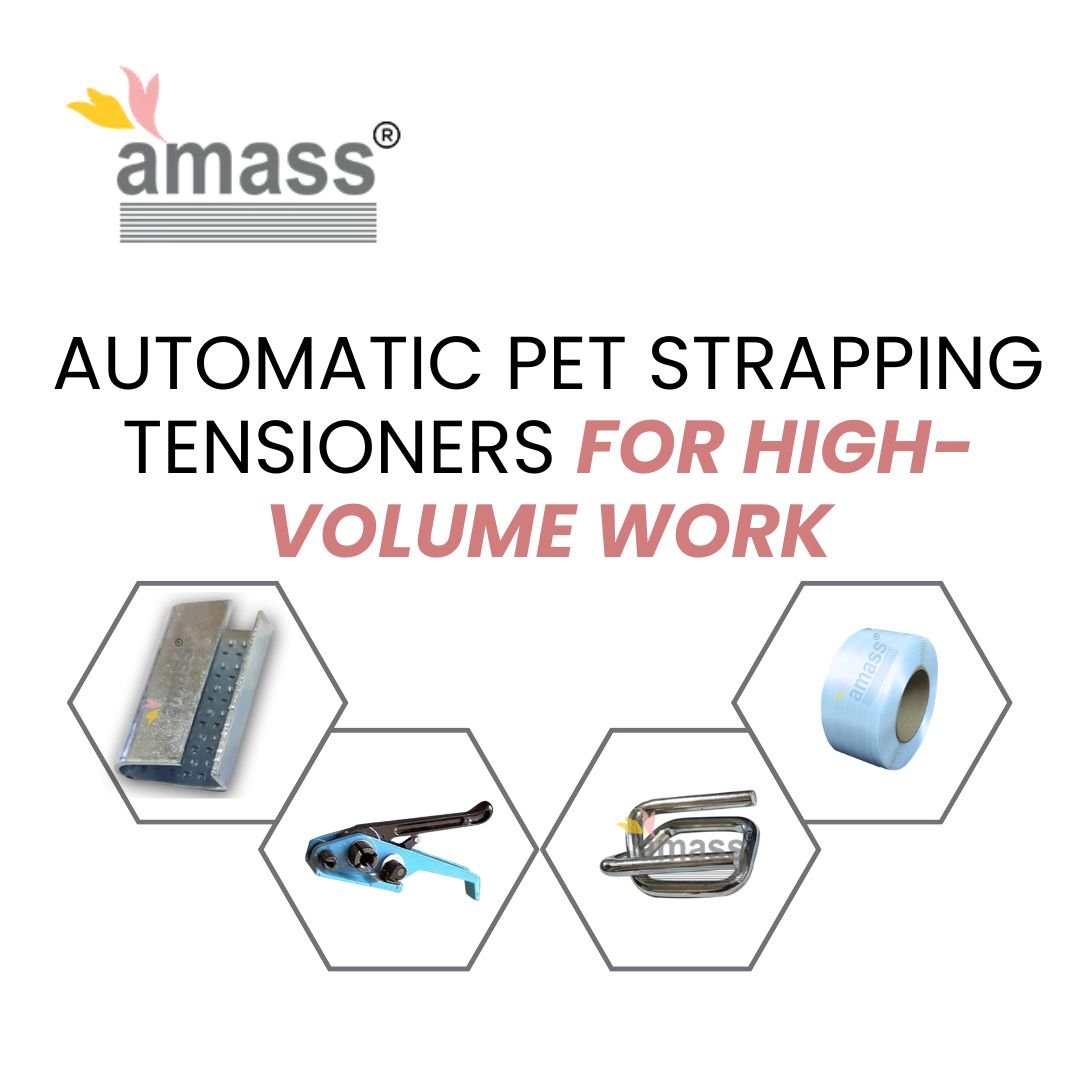
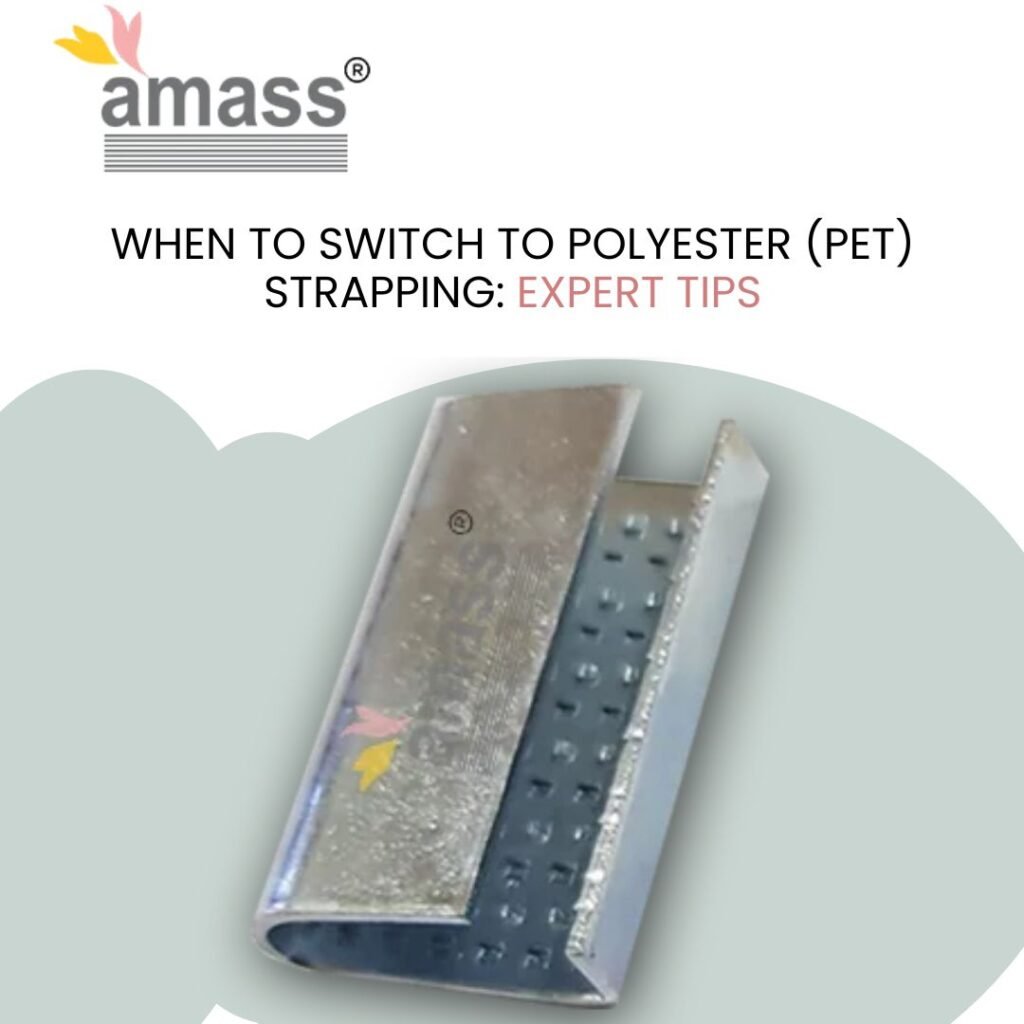
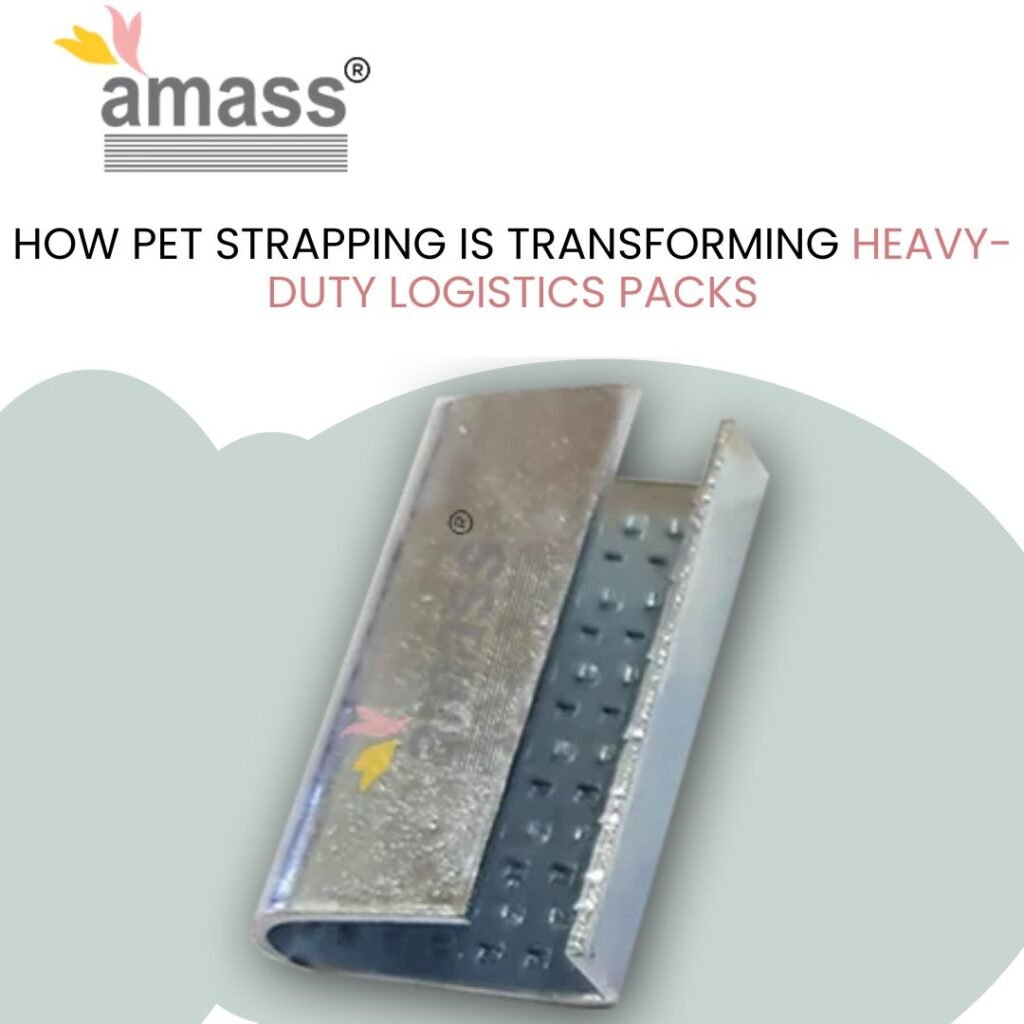
PET strap serrated seals lock the strap after tensioning. The serrations bite into the PET surface and prevent back-slippage when the load moves or settles.
How serrations actually work
The grip comes from controlled deformation. Serrations must penetrate the strap surface without cutting fibers or causing stress points. Poorly formed teeth either polish the strap or damage it.
Why they are different from smooth seals
Smooth seals rely on friction alone. Serrated seals rely on mechanical interlock. For PET strapping, interlock is more reliable under vibration and temperature change.
Why seal quality matters
Tension loss is rarely visible
Most seal failures do not break suddenly. They slip slowly. By the time the load reaches its destination, tension is gone.
Low-quality seals create hidden cost
When seals fail, operators respond by:
- Over-tensioning straps
- Adding extra straps
- Using wider or thicker PET than required
This increases material use and labor time without solving the root issue.
A practical insight
In internal audits across packaging operations, seal-related slippage is one of the top three causes of load rework, yet it is often blamed on the strap or tool instead.
Seal specifications buyers should understand
Material grade
Common options include CRCA steel and galvanized steel. Material consistency matters more than coating thickness. Uneven hardness leads to uneven bite.
Thickness and stiffness
Thicker seals are not always better. Excessively stiff seals deform poorly and reduce serration engagement.
Serration profile
Look for:
- Uniform tooth depth
- Clean edges without burrs
- Consistent spacing
Inconsistent serrations reduce holding strength even if the seal looks intact.
Choosing a supplier in Chennai
Local supply matters
A Chennai-based supply chain reduces lead time and ensures batch continuity. Mixed batches from multiple sources often cause variation in grip performance.
Manufacturing control
Ask whether the supplier controls:
- Tooling for serration stamping
- Material sourcing
- In-process inspection
Suppliers who outsource stamping usually struggle with consistency.
Technical support
A reliable supplier helps match seal size and profile to your strap and tool, not just your purchase order.
Common industries using PET serrated seals in Chennai
Warehousing and distribution
Palletized cartons, FMCG goods, and white goods rely on stable tension during stacking and transport.
Manufacturing and fabrication
Metal parts, tiles, and building materials need seals that hold during vibration and handling.
Export packaging
Long transit cycles expose weak seals. Temperature changes and container movement magnify slippage.
A pattern worth noting: export-focused operations tend to switch seal suppliers faster after failures because the cost of one rejected shipment outweighs years of seal savings.
Tool compatibility and application
Manual tensioners
Serrated seals must deform cleanly under manual force. Poor steel quality leads to partial crimping.
Semi-automatic tools
Tool jaws rely on predictable seal deformation. Inconsistent thickness causes uneven locking.
Application discipline
Correct sealing requires:
- Proper strap alignment
- Full tool stroke
- Visual confirmation of seal collapse
No seal compensates for rushed application, but good seals reduce sensitivity to minor operator error.
How buyers should compare suppliers
Go beyond unit price
Price-per-thousand seals hides variation. Compare:
- Slippage rate during trials
- Rework incidents
- Operator feedback
Ask for controlled samples
Request samples from the same production batch you will receive later. Mixed samples mask real performance.
Check traceability
Suppliers who track batches can diagnose failures quickly. Others simply replace material without fixing the cause.
Frequently asked questions
Q: Do serrated seals work with all PET straps?
A: They work best when matched to strap width and thickness. Using a generic seal across multiple strap sizes often reduces holding strength.
Q: Can serrated seals be reused?
A: No. Once crimped, the serration profile is deformed. Reuse compromises grip and increases failure risk.
Q: Are thicker seals always stronger?
A: Not necessarily. Strength comes from proper deformation and bite, not mass alone. Oversized seals often perform worse.
Q: How can seal quality be tested?
A: Pull tests under controlled tension and vibration simulation reveal real holding behavior. Visual inspection alone is insufficient.
Conclusion
PET strap serrated seals decide whether applied tension stays locked or slowly disappears. In Chennai’s fast-moving logistics and manufacturing environment, seal quality affects safety, cost, and reliability more than most buyers expect.
Choosing the right supplier means focusing on consistency, grip behavior, and application fit—not just price.
AMASS Strapping supplies PET strap serrated seals engineered for stable grip and repeatable performance. We focus on material control, serration accuracy, and real-world application support.
If you want seals that hold under transport stress, not just during application, explore our PET strapping accessories or request a technical recommendation today.