
Industrial Plastic Container Cord Strapping Solutions
Plastic drums, IBCs, and intermediate bulk containers create a specific securing problem that most standard strapping systems are not built

Plastic drums, IBCs, and intermediate bulk containers create a specific securing problem that most standard strapping systems are not built

Introduction Cargo damage during sea freight isn’t random—it follows a pattern. Loads shift when lashing strips are under-tensioned, incorrectly anchored,

Introduction Industrial packaging operations lose product, time, and credibility when strapping materials fail under load—splitting under tension, rusting during maritime

Introduction Most packaging operations switch to industrial cord strap after a failure, not before one. A steel strap rusts through

Cargo damage in transit rarely happens because the load was too heavy. It happens because the restraint system was under-specified,

Introduction Strapping failures rarely start with the strap itself. They start at the buckle—the one component most procurement teams treat

Introduction Strapping operations fail most often not because of weak strap material but because of mismatched tensioner tools that can’t

Introduction Steel strapping was the industrial default for decades—until operations started counting the costs. Rust stains on finished machinery. Operator
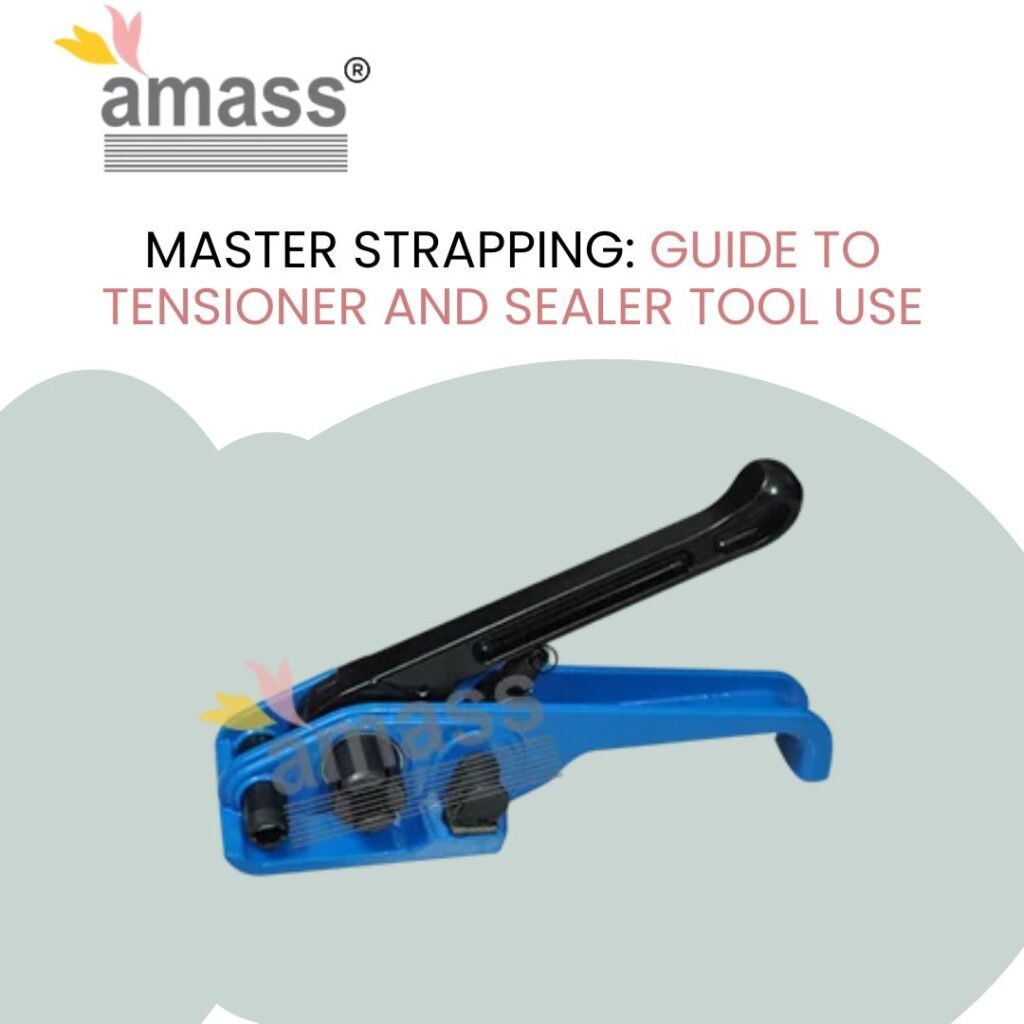
Most strapping failures trace back to tool misuse, not bad strap. Operators thread strap incorrectly, release tension too early, crimp

Introduction Composite cord strapping fails at the buckle more often than along the strap length. The strap holds, but the