
How PET Strapping is Transforming Heavy-Duty Logistics Packs
Introduction Steel strapping dominated heavy-duty logistics for decades because nothing else could handle the loads—until operators started counting the hidden costs. Rust damage on products, hand injuries from sharp edges, disposal headaches, and the sheer weight of steel inventory add up to expenses that most operations accept as inevitable. PET (polyester) strapping now delivers comparable or superior strength for heavy
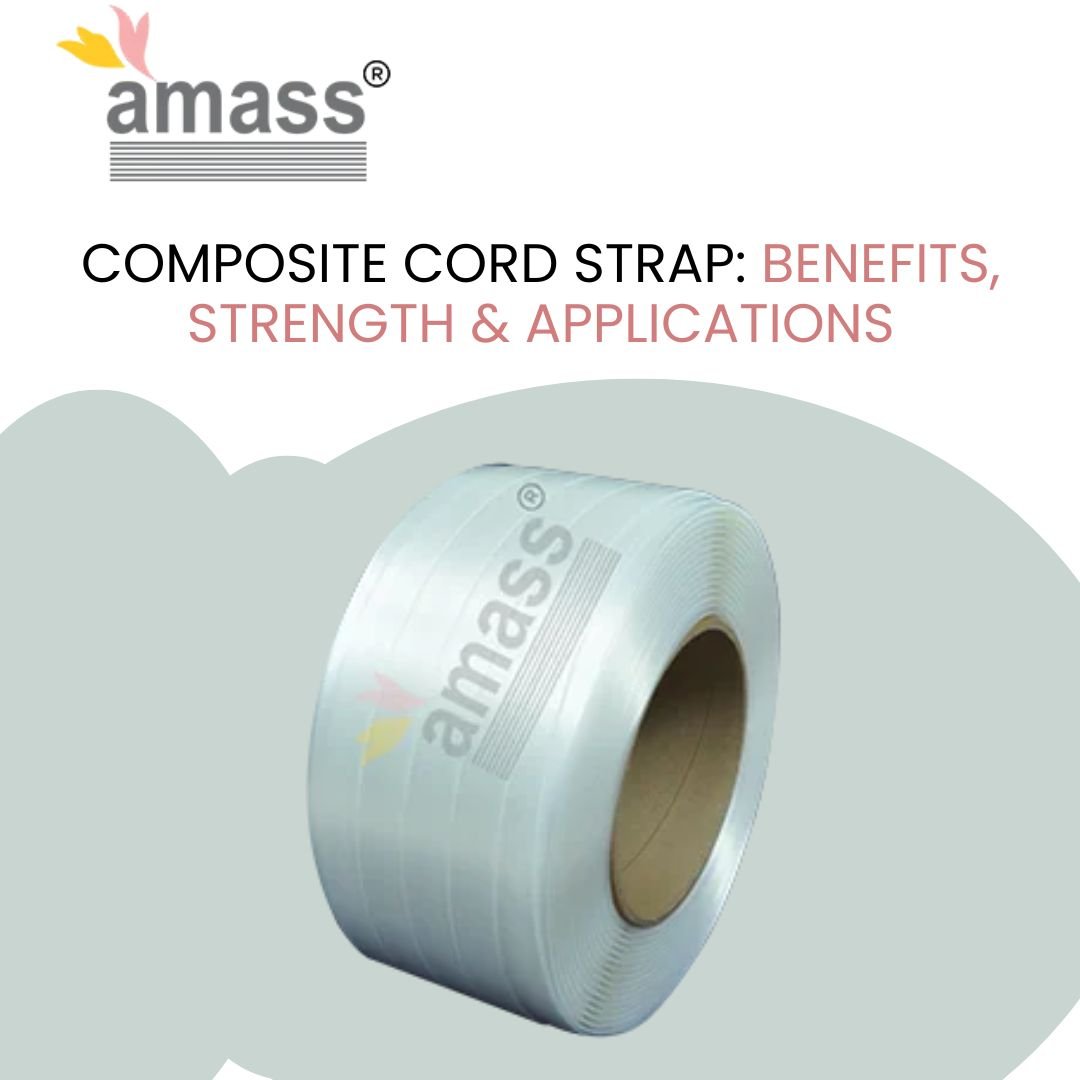
Composite Cord Strap: Benefits, Strength & Applications
Introduction Traditional steel strapping causes workplace injuries from sharp edges and violent recoil while adding unnecessary weight that increases freight costs and corrodes during maritime shipping. Composite cord strap eliminates these problems while delivering equivalent or superior strength—a 19mm cord strap achieves 900-1,100 kg system strength at one-fifth the weight of comparable steel. The polyester construction withstands temperatures from -30°C
Composite Cord Strap: Benefits, Strength & Applications
Introduction Traditional steel strapping causes workplace injuries from sharp edges and violent recoil while adding unnecessary weight that increases freight costs and corrodes during maritime shipping. Composite cord strap eliminates these problems while delivering equivalent or superior strength—a 19mm cord strap achieves 900-1,100 kg system strength at one-fifth the weight of comparable steel. The polyester construction withstands temperatures from -30°C
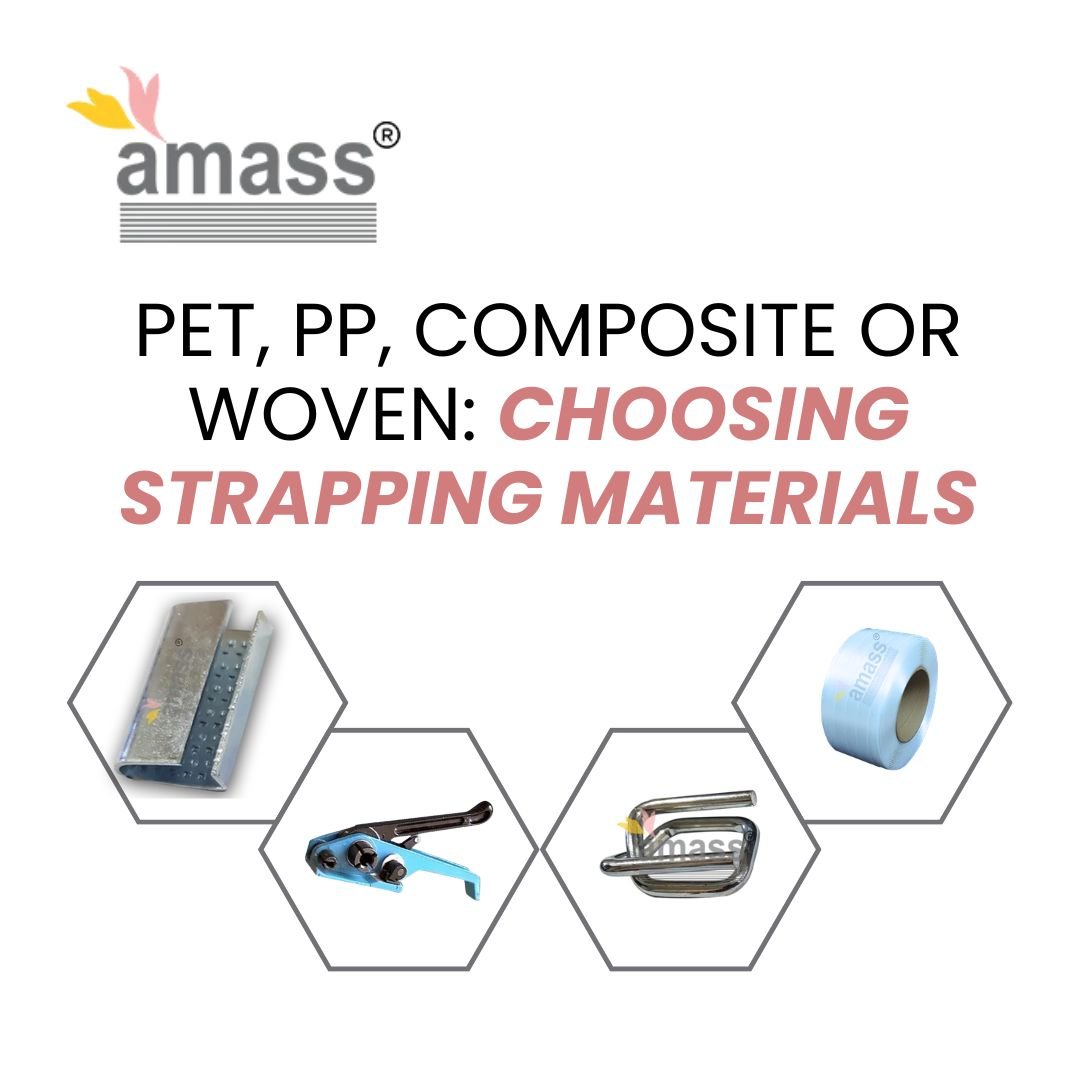
PET, PP, Composite or Woven: Choosing Strapping Materials
Introduction Most packaging failures don’t come from weak strapping—they come from wrong strapping. PP stretches and loosens on heavy loads. PET cracks on irregular cargo. Composite costs more than the application needs. Woven is overkill for boxed goods. Each material has a sweet spot where it outperforms the others, and choosing wrong wastes money on over-spec or risks cargo damage
PET, PP, Composite or Woven: Choosing Strapping Materials
Introduction Most packaging failures don’t come from weak strapping—they come from wrong strapping. PP stretches and loosens on heavy loads. PET cracks on irregular cargo. Composite costs more than the application needs. Woven is overkill for boxed goods. Each material has a sweet spot where it outperforms the others, and choosing wrong wastes money on over-spec or risks cargo damage
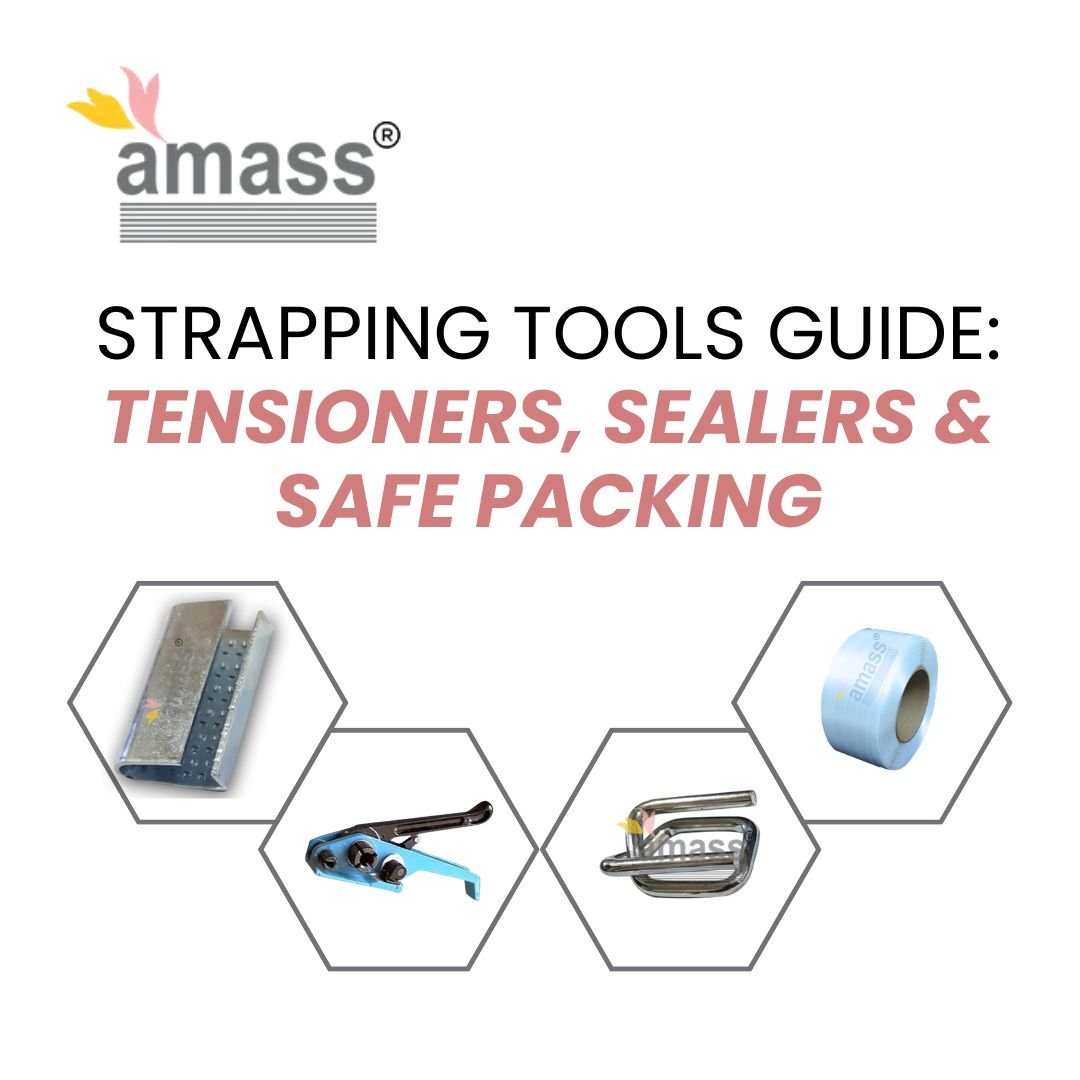
Strapping Tools Guide: Tensioners, Sealers & Safe Packing
Most packing teams treat strapping tools as generic hardware: buy the cheapest tensioner and sealer, hand them to operators, and assume the job gets done. That approach hides consistent problems—weak joints that fail in transit, over-tensioned straps that snap during handling, operator injuries from improper technique, and wasted strap from poor seal crimps. The right strapping tools, correctly matched to