Why PET & Composite Strapping Cost Less Than Steel Straps

Top Buckles Supplier in Ahmedabad
January 20, 2026
Top Pet Strap Serrated Seals Supplier in Chennai
January 20, 2026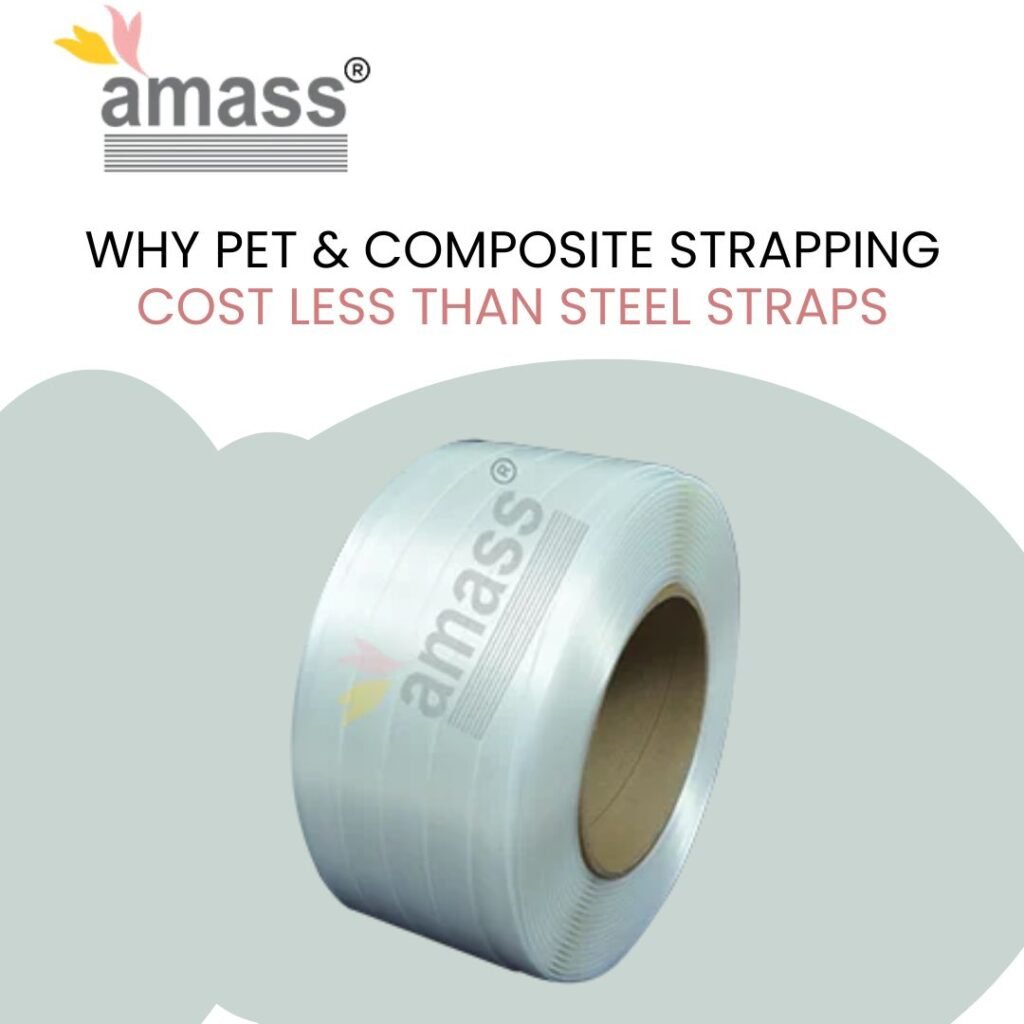
Introduction
Steel strapping has been the default choice for decades. It feels strong. It looks reliable. And for a long time, it worked. But across logistics yards, factories, and warehouses, buyers have started questioning the real cost of that choice. Not the price per roll, but the total cost of using steel every day.
PET and composite strapping did not replace steel by being cheaper alone. They replaced it by changing where the costs show up. Less handling effort. Fewer injuries. Faster application. Lower freight weight. Fewer damaged loads.
This article explains why PET and composite strapping usually cost less than steel in real operations. We break the comparison into material cost, handling, tooling, safety, performance, and long-term economics. No marketing language. Just clear trade-offs and practical reasons buyers are switching.
If you handle loads regularly and care about operating cost, this will help you decide what actually makes sense.
Steel strapping basics
What steel strapping is used for
Steel strapping is made from low-carbon steel, supplied in coils. It is rigid, has low elongation, and holds shape under high static loads. It is commonly used for heavy bundles, sharp-edged products, and loads that do not tolerate stretch.
Where steel creates hidden cost
Steel’s rigidity is also its weakness. It transfers shock directly to the load. During transport, this often leads to strap loosening or product damage. Steel is also heavy, sharp, and labor-intensive to handle, which pushes costs into areas most buyers do not track.
PET strapping basics
How PET works
PET strapping is made from polyester. It offers high tensile strength with controlled elongation. Under dynamic loads, it stretches slightly and recovers, keeping tension on the load instead of snapping or loosening.
Why PET replaced steel in many uses
For palletized goods, bricks, cartons, and finished products, PET provides enough strength with better load behavior. It weighs much less than steel and can be applied faster with simpler tools.
Composite strapping basics
Construction and design
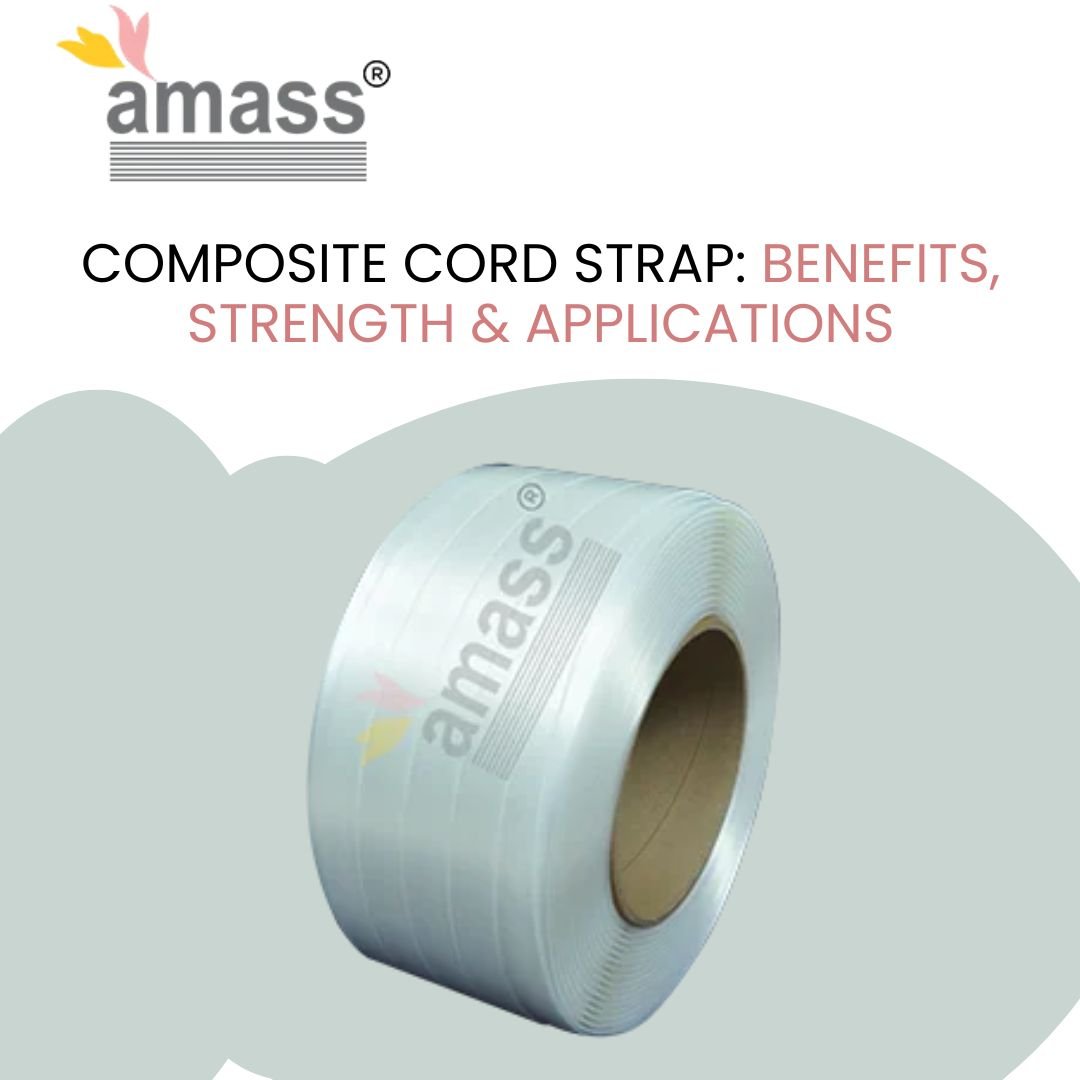
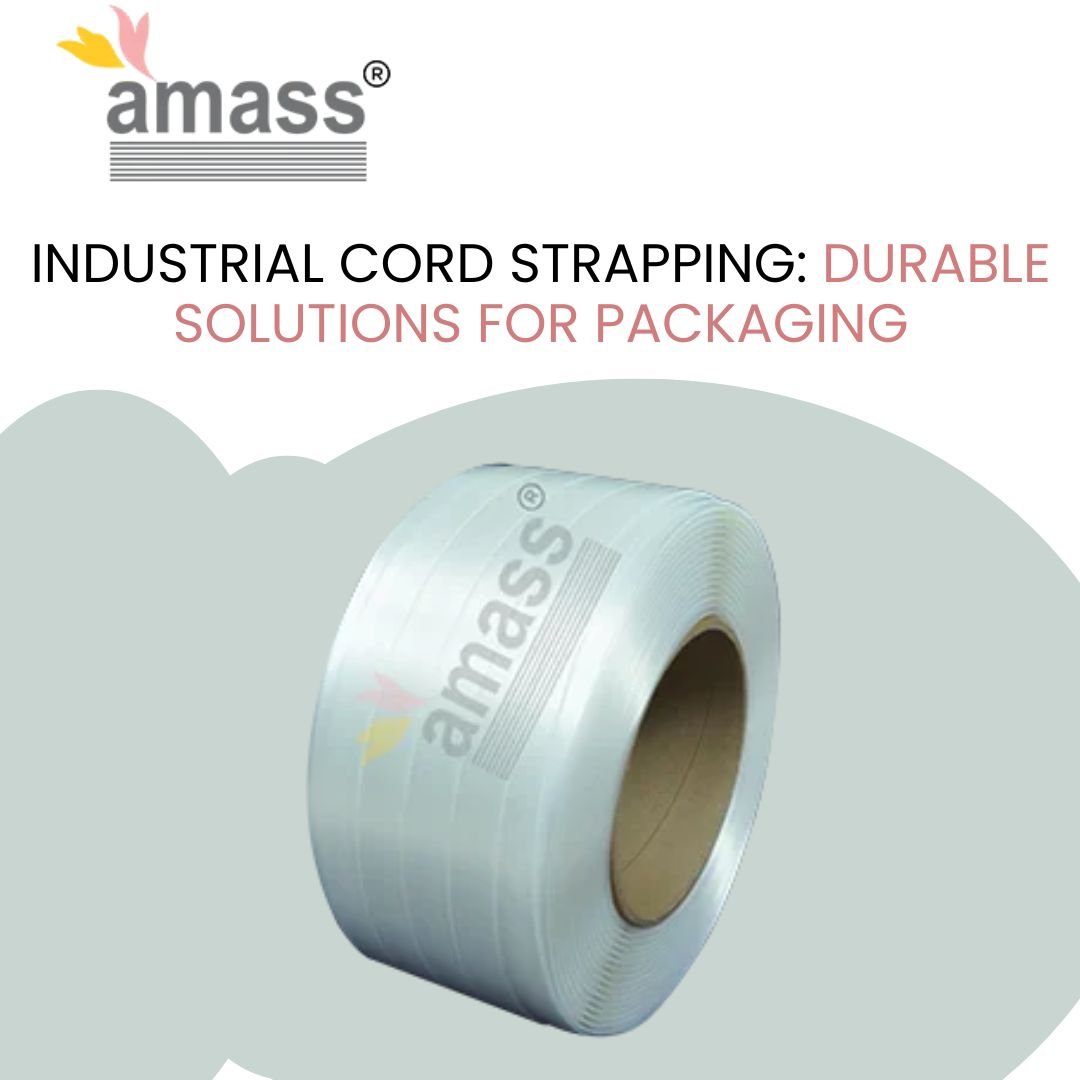
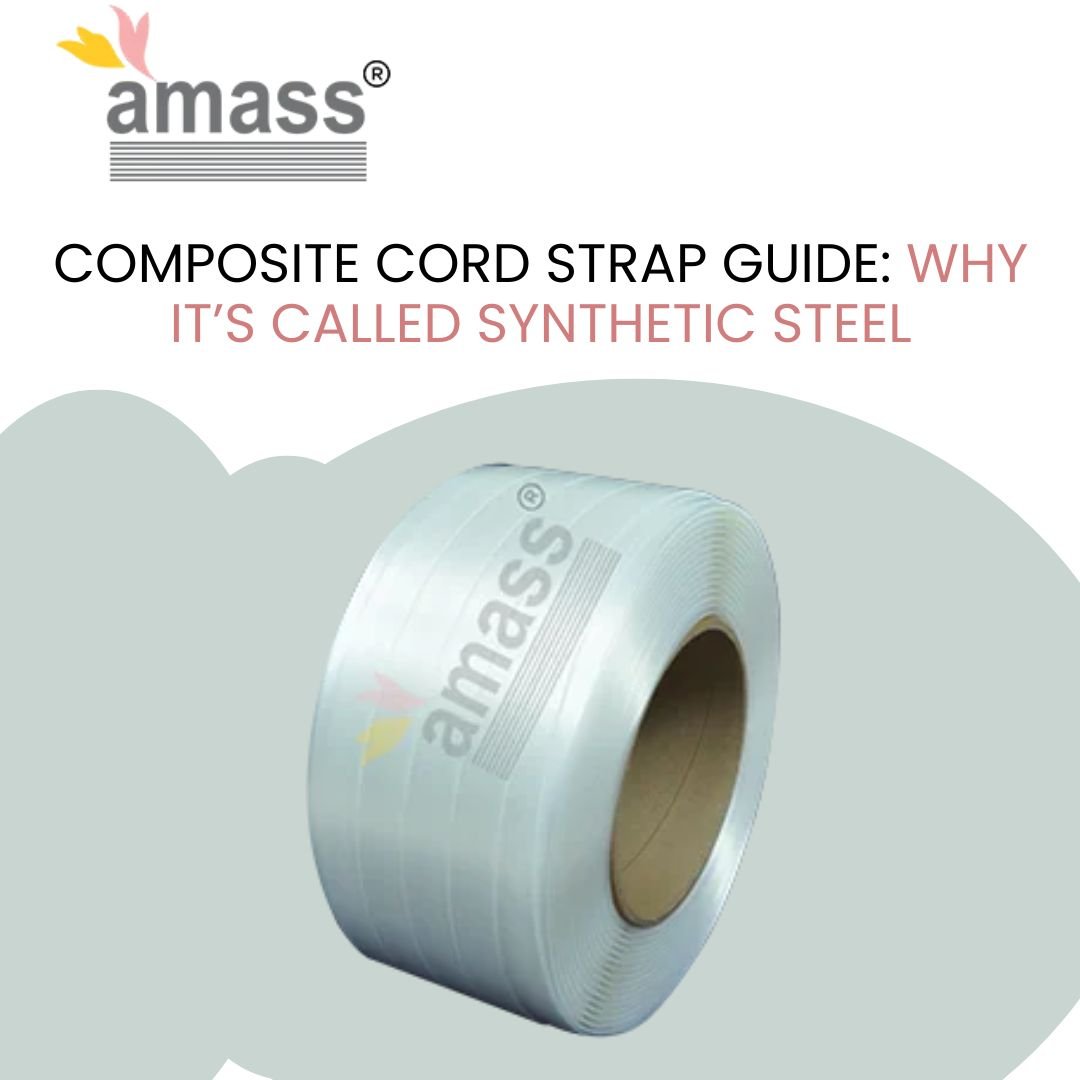
Composite strapping uses high-tenacity polyester yarns embedded in a polymer coating. The fibers carry the load; the coating protects against abrasion and moisture.
Functional advantage
Composite straps are flexible like textile, strong like steel, and tensioned with buckles instead of seals. This makes them practical for irregular loads, exports, and field use.
Material cost comparison
Raw material economics
Steel prices fluctuate with energy costs, mining, and global supply. PET and composite materials rely more on polymer and fiber supply chains, which are typically more stable.
Cost per usable meter
Steel strapping is sold by weight. PET and composite are sold by length. In practice, buyers often overuse steel thickness “just to be safe,” while PET is selected closer to actual load needs. This alone reduces material consumption by 20–40% in many operations.
Handling and transport costs
Weight changes everything
A coil of steel is heavy. Moving it requires more effort, equipment, and time. PET and composite coils are light enough to handle manually in most cases.
This affects:
- Loading and unloading time
- Internal movement between stations
- Freight cost per shipment
Across a year, weight reduction alone often offsets the price difference between materials.
Tooling and application costs
Steel needs more equipment
Steel strapping requires tensioners, sealers, seals, and often powered tools. Maintenance and calibration are ongoing.
PET and composite simplify the process
PET can be friction-welded or sealed with compact tools. Composite uses buckles and tensioners with no sealing step.
Fewer tools mean:
- Lower upfront investment
- Less downtime
- Easier training
In high-volume environments, faster application often matters more than strap price.
Safety and labor economics
Injury is a cost, not a risk
Steel edges cut. Rebound injuries are common. Handling fatigue is real. These do not show up on a purchase order, but they show up in lost time, compensation, and turnover.
PET and composite are safer to cut, softer to handle, and easier on the body. Many buyers switch after internal audits reveal that strapping-related incidents are among their most frequent minor injuries.
Performance and load protection
Shock absorption matters
Transport is not static. Trucks brake. Containers shift. Steel does not absorb shock; it transfers it.
PET and composite stretch slightly under load and recover. This reduces:
- Strap breakage
- Load collapse
- Product damage
In many cases, buyers report fewer rejected shipments after switching, even when using lower strap strength on paper.
Long-term cost ownership
Steel looks cheap at purchase
Steel often wins on per-unit price. It loses on total ownership.
When you include:
- Labor time
- Tool maintenance
- Safety incidents
- Freight weight
- Load damage
PET and composite usually cost less over a full operating cycle. This is why industries that track total cost carefully have already moved away from steel except where absolutely necessary.
When steel still makes sense
Steel is not obsolete. It still fits:
- Extremely heavy loads with no shock movement
- Sharp-edged materials without edge protection
- High-temperature environments
The mistake is using steel by habit where these conditions do not apply.
Frequently asked questions
Q: Is PET strong enough to replace steel?
A: For most palletized and unitized loads, yes. PET achieves high working strength with better tension retention during transport. Steel is only required for extreme, static loads.
Q: Does PET stretch too much?
A: PET stretches in a controlled range. This stretch absorbs shock and then recovers, which helps maintain load stability instead of loosening.
Q: Is composite strapping reusable?
A: In many cases, yes. Composite straps can be re-tensioned and reused if not damaged, especially in internal logistics or returnable packaging.
Q: Why do steel users hesitate to switch?
A: Familiarity. Steel feels strong and visible. PET and composite require understanding performance, not just thickness.
Conclusion
PET and composite strapping cost less than steel not because they are cheaper materials, but because they remove friction from the system. Less weight. Less labor. Less damage. Less risk.
If your loads do not demand steel, continuing to use it is usually a convenience choice, not a cost-efficient one.
AMASS Strapping designs PET and composite strapping systems for real operating conditions, not catalog assumptions. If you want to reduce total strapping cost without compromising load safety, explore our strapping solutions and choose the option that fits your operation—not old habits.
Visit our product range and request a recommendation for your load type.