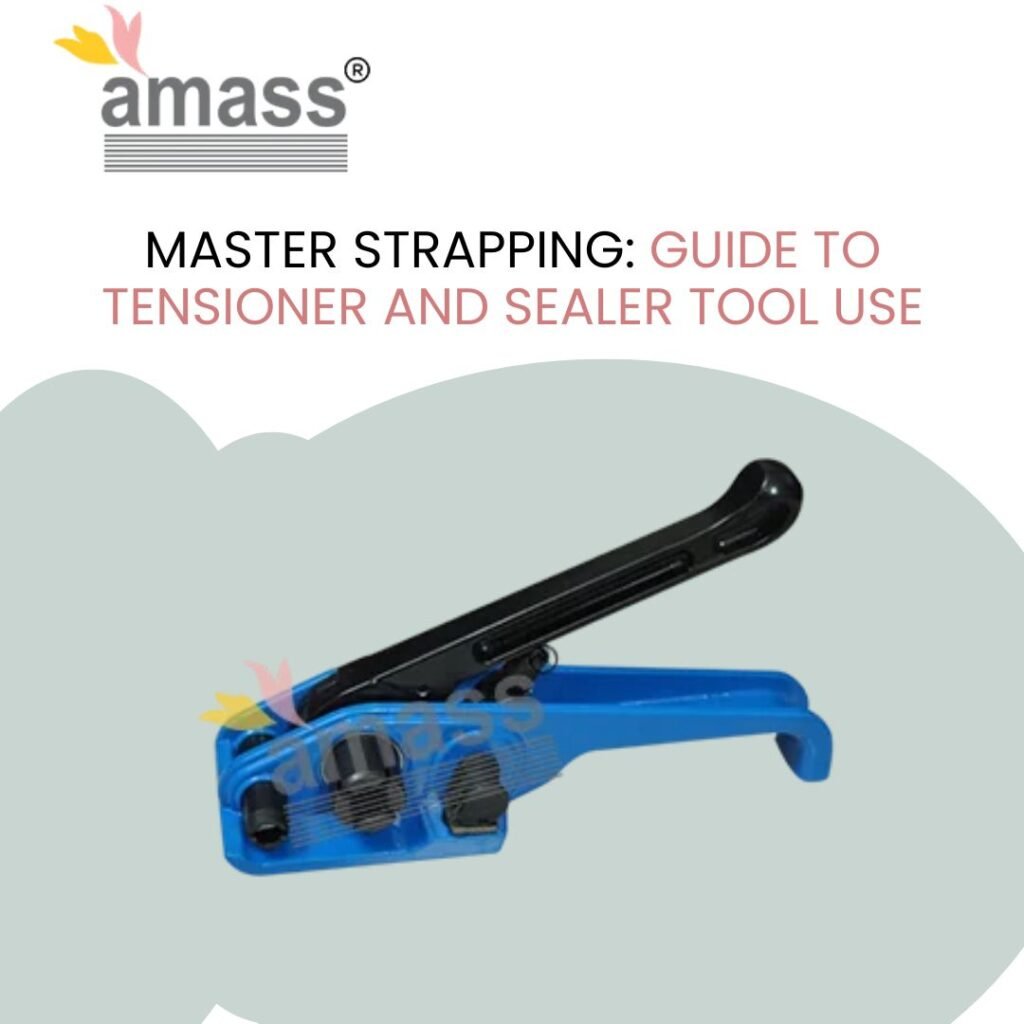
Master Strapping: Guide to Tensioner and Sealer Tool Use
Most strapping failures trace back to tool misuse, not bad strap. Operators thread strap incorrectly, release tension too early, crimp


Most strapping failures trace back to tool misuse, not bad strap. Operators thread strap incorrectly, release tension too early, crimp

Introduction Most operations don’t fail at picking the right strap material—they fail at matching the right tool or machine to

Many packaging operations still use broken-down tensioners, worn-out feedwheels, and tools bought years ago from the cheapest listing on a

Introduction Most packaging operations bleed time and money from the same handful of problems: inconsistent sealing, slow strapping, over-wrapping pallets

Introduction Steel strapping injures thousands of workers annually through sharp-edge lacerations and violent recoil, while adding 80% unnecessary weight per

Introduction Strapping tool injuries happen fast and leave lasting damage. A tensioner that slips under load, a sealer jaw that

Many operations run steel or polypropylene strapping year after year without questioning whether it still makes sense. Meanwhile, injury logs
Introduction Steel strapping dominated heavy-duty logistics for decades because nothing else could handle the loads—until operators started counting the hidden
Introduction Traditional steel strapping causes workplace injuries from sharp edges and violent recoil while adding unnecessary weight that increases freight
Introduction Most packaging failures don’t come from weak strapping—they come from wrong strapping. PP stretches and loosens on heavy loads.